From May 28 to 31, four countries (Benin, Burkina Faso, Senegal, Togo) were represented in Dakar for the Forum on Innovative Materials and Sustainable Construction in West Africa (MICD-AO). Architects, real estate developers, researchers, and policymakers gathered with the goals of rethinking construction to minimize environmental impact, enhance accessibility, and address the region’s specific climate challenges. The result was a showcase of innovative solutions inspired by the region’s traditional construction methods.
A Treasure Trove of On-the-Ground Best Practices
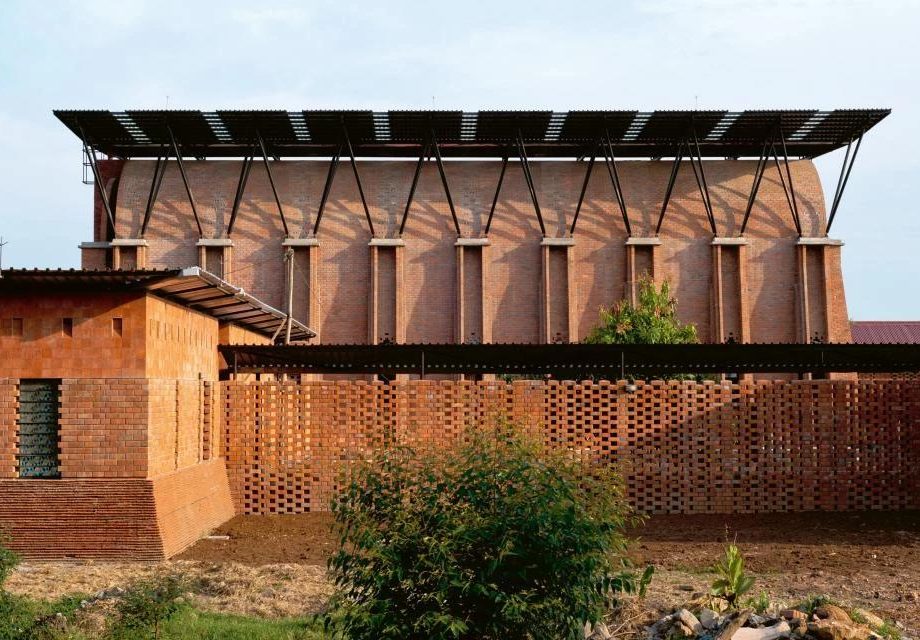
Sustainable architecture in Africa builds on a rich historical legacy. The ingenuity of traditional construction techniques offers an inexhaustible source of best practices. For example, earth construction methods, prevalent in many regions of the continent, provide excellent thermal inertia, regulating indoor temperatures. The use of plant-based materials like thatch or wood is also common, offering lightweight and renewable solutions—not to mention their aesthetic appeal! Beyond materials, the holistic approach is remarkable: building orientation, window design, and the integration of vegetation are all carefully considered to optimize comfort and minimize ecological footprints.
These practices are now widely embraced by African architects. In Benin, local initiatives promote improved traditional construction techniques to create affordable and eco-friendly social housing. In Burkina Faso, vocational training centers specialize in earth construction, disseminating expertise and creating local jobs. In Senegal, pilot projects explore the use of recycled materials and solar technologies for energy-autonomous public buildings. In Togo, village communities rehabilitate traditional homes using enhanced techniques and local materials, preserving architectural heritage while improving living conditions.
Innovative Solutions for Sustainable Construction
Building on this tradition, forum participants showcased promising innovations. For instance, the use of compressed earth bricks (CEB) was highlighted for their insulating properties and low carbon footprint. Bamboo, a renewable and resilient material, also garnered significant interest for lightweight and durable structures. Additionally, innovative solutions such as integrating plastic waste into construction materials were explored, transforming an environmental problem into a valuable resource. Innovative water management approaches, focused on rainwater harvesting and efficient use, were also presented, emphasizing responsible resource management.
The event concluded on an ambitious note. The “Dakar Declaration,” which marked the end of the forum, reaffirmed participants’ commitment to decarbonizing the construction sector by adopting bio-based materials and locally adapted technologies. The creation of the MICD-AO network, aimed at fostering synergies and collaborations, seeks to sustain these exchanges and strengthen initiatives for more sustainable construction. Already, plans are underway for the next edition of the forum in Benin in 2026.