Founded in Cameroon in 2016, Zebra Comics was born from a simple conviction: Africa has an immense wealth of talent, stories and imagination capable of captivating global audiences, provided creators have the tools they need to develop and distribute their work. Ten years later, Zebra’s journey — now one of the most ambitious players in African digital entertainment — confirms the strength of that original intuition.
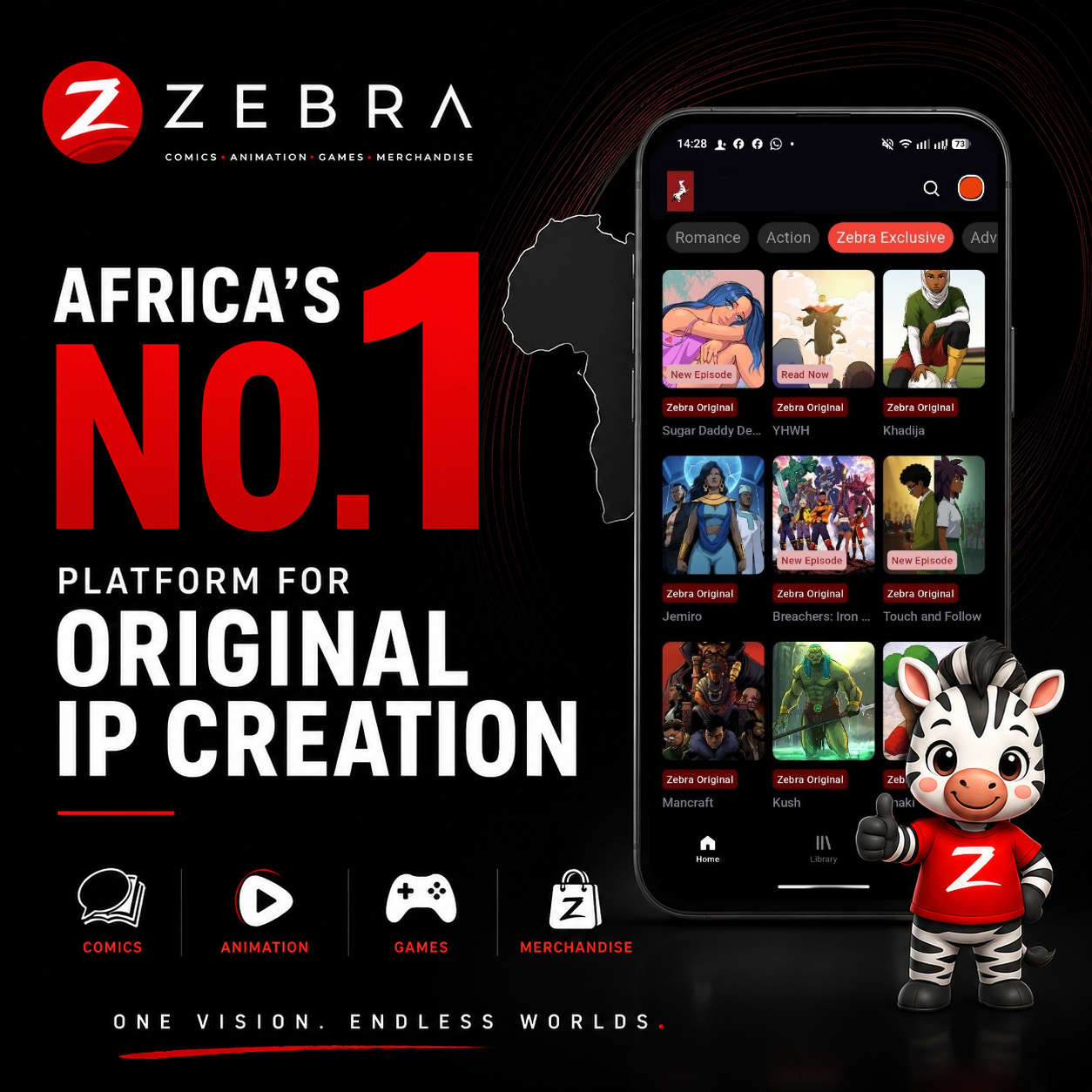
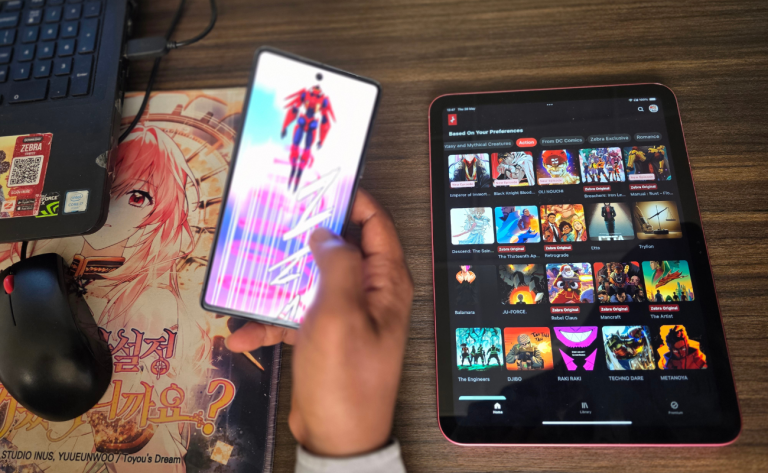
A pioneer of webtoons in Africa — a digital comic format originating in Asia and designed for smartphone reading — the platform now has the continent’s largest catalogue and a readership spanning several continents. Building on this first decade, it is opening a new chapter in its history. “My mission has not changed, but my ambition has grown,” says its founder, Nathanael Ejob.
If Zebra is dropping the word Comics today, it is not to turn its back on its origins. It is because the project now extends far beyond comics alone: animation, video games, licensing, merchandising and new technologies are all part of the ambition to help creations born in Africa find their place on the global stage.
Creating Stories From Africa to the World
The story of Zebra began with a very personal observation. As a child growing up in Cameroon, Nathanael Ejob read American comics and Japanese manga. He discovered rich and expansive worlds but also noticed how rarely African stories appeared in them. And when Africa did appear, it was often reduced to images of poverty, conflict or humanitarian crisis.
“Stories shape the way we see ourselves and the way we perceive others,” he explains. From that point on, one conviction became clear: African readers also need characters and stories in which they can finally recognize themselves with pride.
While studying in Buea, Nathanael Ejob decided to put that intuition to the test. He printed 500 copies of his first comics; 300 were sold. That first experience confirmed that there was a genuine appetite for ambitious African stories. In 2016, he brought together his younger brothers and a few friends to create E.N. Comics, which would soon become Zebra Comics.
The choice of name captured the ambition of the project. The zebra evokes the duality that drives great stories — light and darkness, strength and vulnerability, balance and conflict — as well as the resilience required to build a creative company in an environment that was still largely unstructured. Above all, it immediately asserted an African identity while remaining understandable around the world.
This reflected a conviction that had guided Nathanael Ejob from the very beginning: stories deeply rooted in African realities can resonate with readers everywhere. “We create stories rooted in African realities, but built for global audiences, because emotions, conflicts and dreams are universal.”
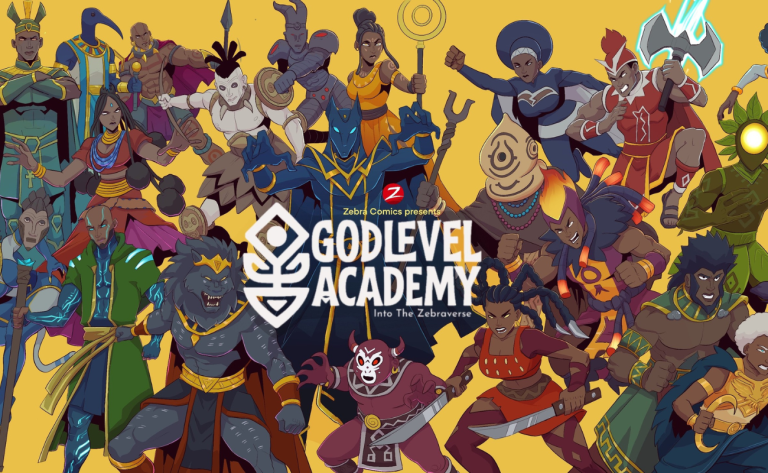
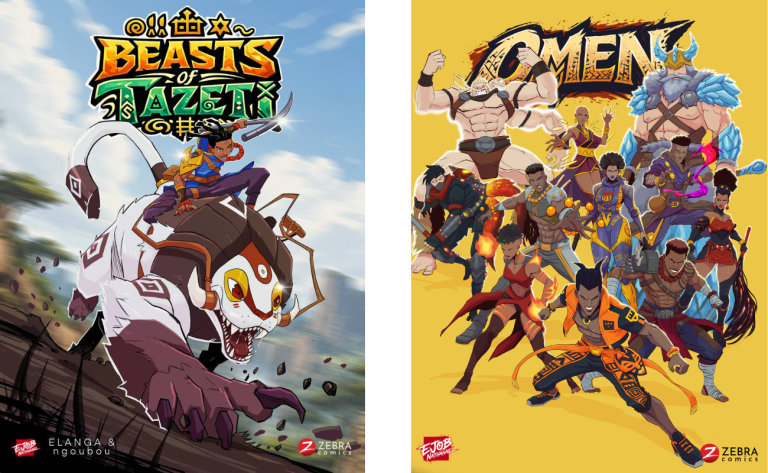
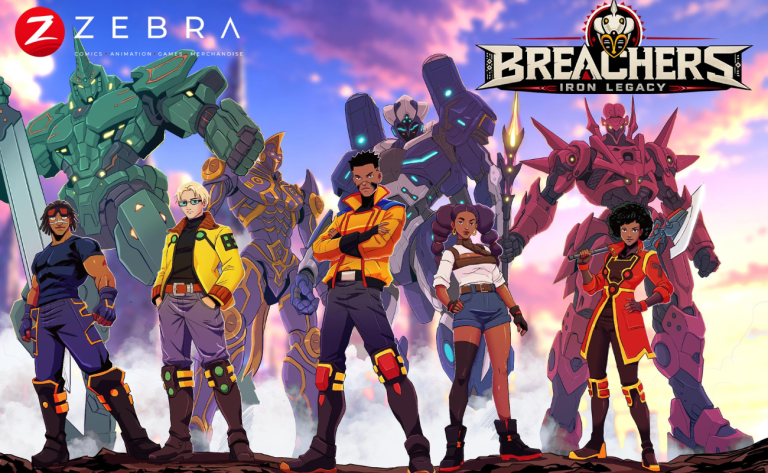
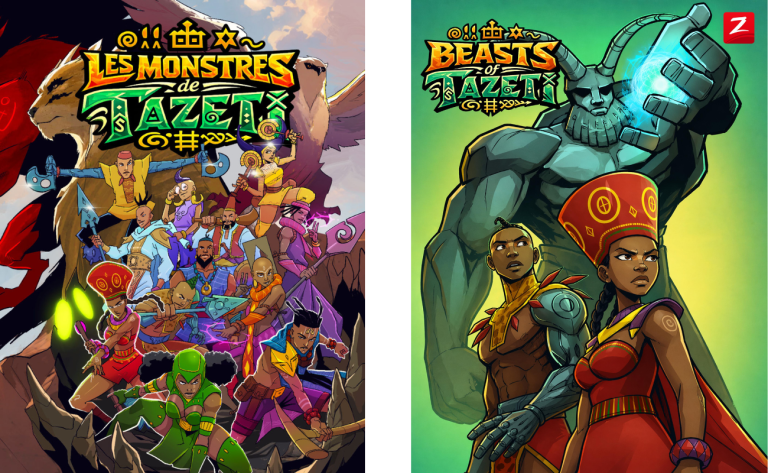
Ten years after its beginnings, the results confirm the strength of that vision. Contemporary romance with Sugar Daddy Desires, fantasy inspired by African creative worlds with Beasts of Tazeti, action and science fiction with Breachers: the catalogue now includes bestselling titles across multiple genres.
Zebra today reaches more than 100,000 readers across several continents, with communities from Cameroon to South Africa, but also in the United States, Brazil, France and South Korea. The evidence is clear: stories born in Africa can find audiences anywhere in the world.
For Nathanael Ejob, however, this success is only part of the equation. The challenge is not creativity. The real challenge now is giving these talents the means to build sustainable careers.
Giving Creators the Means to Succeed
“Africa has never lacked storytellers,” Nathanael Ejob says. The challenge lies elsewhere: helping them turn that talent into sustainable careers.
In his view, three challenges still need to be addressed: monetization, training and infrastructure. In other words: making creative work economically viable, supporting authors as they develop, and giving them the tools they need to publish, distribute and grow their work.
“The biggest challenge is monetization. If creators cannot earn a living, the industry cannot grow.” For Zebra, the ambition is therefore to build a model in which creators can gradually make a living from their creations. More than a one-off source of income, the goal is to make real careers possible.
This also requires training. Drawing well is not enough to build a series capable of keeping readers engaged. Webtoons have their own narrative codes: reading rhythm, suspense management, episode structure and writing designed specifically for smartphones. Zebra supports creators through masterclasses and editorial guidance aimed at strengthening the quality of their stories. The objective is not only to produce beautiful images, but to create stories that readers want to keep coming back to.
The third challenge concerns infrastructure. Through Creator Focus, Zebra provides creators with a platform where they can publish their work, but also analyse reader behaviour through data on views, comments, conversion rates and series performance. Over time, the next generation of the tool will also integrate translation, distribution, discoverability and monetization features, allowing authors to be supported at every stage of their development.
“If we can solve these three challenges, I believe the next generation of globally recognized comic creators will come from Africa,” says Nathanael Ejob, who is working toward that goal with the new Zebra.
Scaling Up to Build an Industry
Since its creation, Zebra has demonstrated that another narrative is possible: stories born in Africa can reach international audiences, provided they benefit from the right conditions for production and distribution. For Nathanael Ejob, however, the real challenge begins now. It is no longer simply about publishing more stories but about building an ecosystem capable of bringing lasting creative universes to life.
By becoming simply Zebra, the company is not changing direction; it is scaling up. After building one of the continent’s leading webtoon platforms, it is now expanding its activities across the entire entertainment value chain: animation, video games, licensing, merchandising and new digital experiences. The ambition is to enable universes created in Africa to live across multiple formats and reach an ever-growing audience.
This diversification is accompanied by an international expansion strategy. Zebra has already established collaborations with partners such as DC Comics, Media Participations and COL Group. For Nathanael Ejob, these partnerships make it possible to learn from industry leaders, access new markets and open up new development opportunities for African creators. In the long term, the company aims to strengthen these collaborations in publishing, technology, animation, gaming and licensing in order to further accelerate the international circulation of its creations.
This ambition rests on a conviction that Nathanael Ejob fully embraces: a cultural industry cannot develop sustainably without a strong business model. “I wanted to build a company, not a charity,” he explains. In his view, only a profitable business can finance creators, attract investment and help African intellectual properties emerge as franchises capable of achieving international recognition.
The ambition reflects the scale of the project. For Nathanael Ejob, Africa already has the talent; what it still needs are the tools, infrastructure and networks that will allow these creations to compete with the world’s leading cultural industries.
This is precisely the role Zebra intends to play over the course of its next decade.
Ultimately, Zebra is not changing its name because it is turning a page. It is changing its name because its ambition is now bigger than comics.
-> Read More: Webtoon: Africa in Search of Its Future Talents