After nearly two years of renovations, the Museum of African Contemporary Art Al Maaden (MACAAL) in Marrakech reopened on February 2. This reopening marks a new era for the institution, previously designed to host temporary projects. The museum now features a permanent exhibition and entirely reimagined spaces.
A Journey Through African Contemporary Art
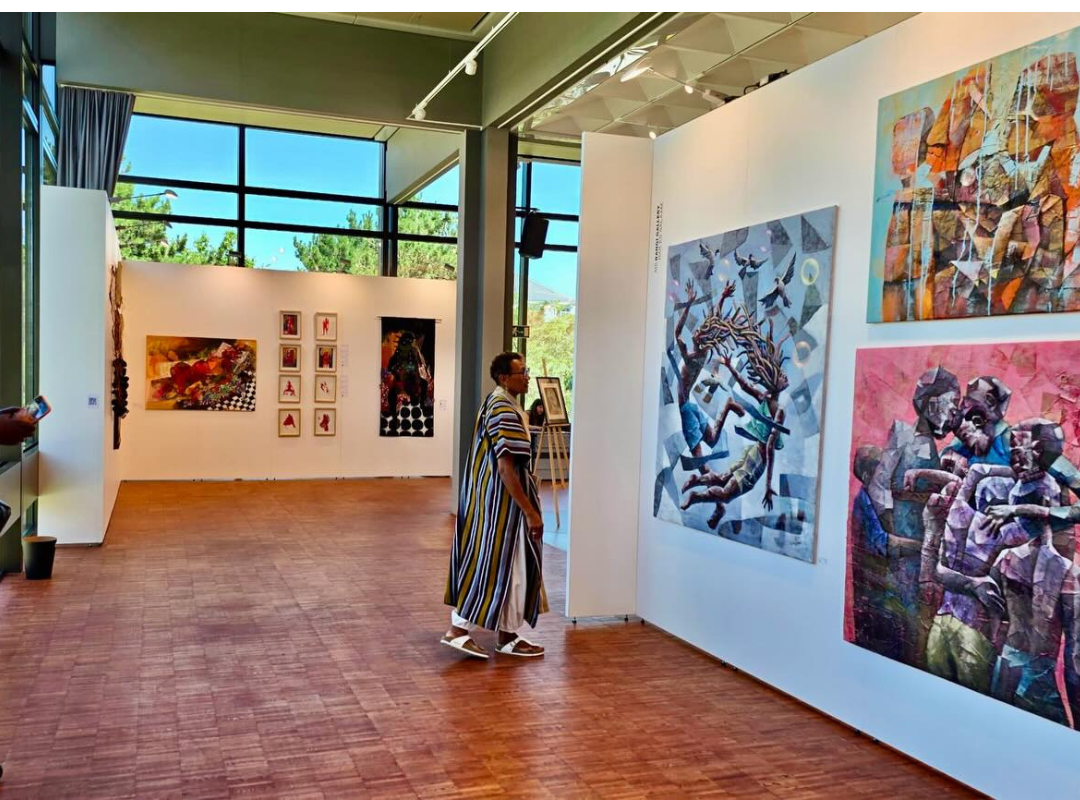
Titled Seven Contours, One Collection, the new permanent exhibition at MACAAL showcases over 150 works from the Fondation Alliances collection, which boasts more than 2,000 pieces. This collection, assembled by the Lazraq family over several decades, highlights the diversity and vitality of African contemporary art.
Among the featured artists are iconic names such as Malick Sidibé, Joël Andrianomearisoa, Kapwani Kiwanga, Hassan Hajjaj, and Chéri Samba, alongside Moroccan modernist pioneers like Farid Belkahia, Ahmed Cherkaoui, and Mohamed Melehi. The works include paintings, sculptures, photographs, textiles, and multimedia installations. Notably, the displays will rotate regularly to explore the full richness of the collection and offer visitors a renewed experience with each visit.


A Redefined Museum Experience
The renovations at MACAAL have allowed for a complete redefinition of the exhibition spaces, redesigned to provide an immersive and educational experience for visitors.
The permanent exhibition is organized around seven themes: decolonization, ecology, spirituality, migration, identity, globalization, and the environment—a journey designed to explore the major issues of African contemporary art while challenging historical and Western art categories. These seven thematic rooms owe their original scenography to designer and museographer Franck Houndégla.
Two dedicated spaces for in-situ installations have also been created. Monumental works by Salima Naji (Dans les bras de la terre) and Aïcha Snoussi (Cyborg Archaeology) currently inaugurate this space. Additionally, a new Artist Room will host temporary solo and group exhibitions, currently featuring an installation by Franco-Moroccan artist Sara Ouhaddou around traditional Moroccan craftsmanship. These temporary exhibitions, renewed periodically, will interact with the museum’s architecture and deepen the themes of the permanent exhibition.
Finally, to provide context for the works, the museum now offers a Timeline Room that traces key moments in African art and history, as well as a media library rich in video, audio, and performance art archives from the 1990s to the present day.
With this ambitious and bold reconfiguration, there is no doubt that MACAAL has all the assets to establish itself as a leading institution in African contemporary art on the international stage. To be continued.