Inaugurated in 1982 and named in honor of Michael Rockefeller, a passionate advocate of non-Western art, the wing was originally conceived as a pioneering space for collections long marginalized in Western museums. Over the decades, it became a symbol of cultural legitimacy and richness. Today, it is experiencing a spectacular rebirth.
Spanning more than 40,000 square feet of fully reimagined galleries, the Metropolitan Museum of Art now offers an immersive journey where nearly 1,800 works engage in dialogue with multimedia installations and new curatorial narratives—firmly affirming their place at the heart of the global artistic conversation.
A Festive and Intercultural Inauguration
On Saturday, May 31, 2025, the Met welcomed the public with a day of celebration: live music and dance performances, art workshops, and screenings of documentary films accompanied the reopening. Visitors also discovered dishes inspired by pre-colonial recipes from Africa, Peru, Mexico, and Hawai‘i, adding a sensory and culinary dimension to the cultural experience.
In his address, Met Director Max Hollein highlighted the historic significance of the event: “The reopening of this wing marks a key moment for the recognition of Indigenous arts, too often marginalized. It is about offering these works the visibility and dignity they deserve.”
Expanded and Enriched Collections
With 1,800 works on display—one quarter of them presented for the first time thanks to recent acquisitions and donations—the Met now offers visitors an unprecedented encounter with the arts of Africa, the Americas, and Oceania.
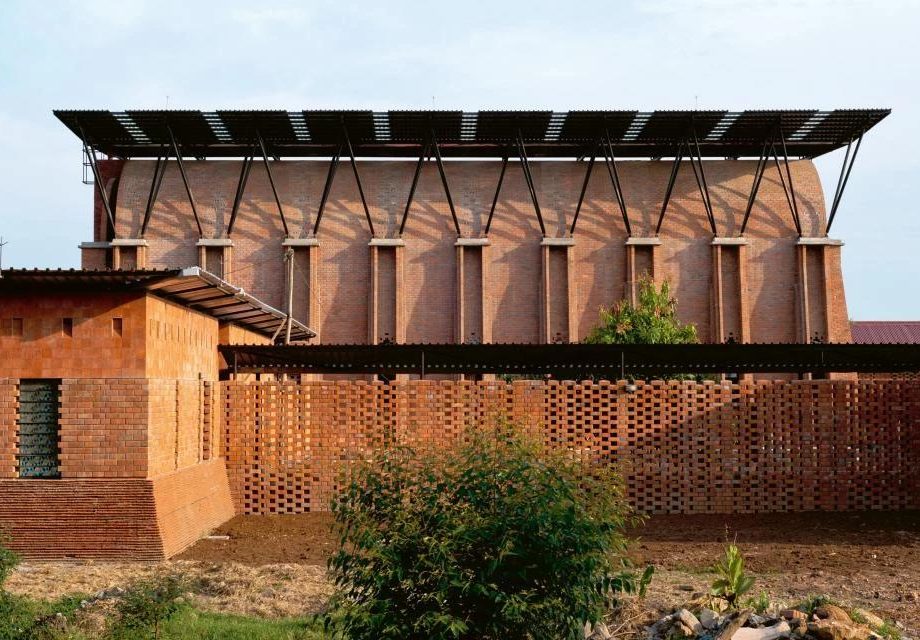
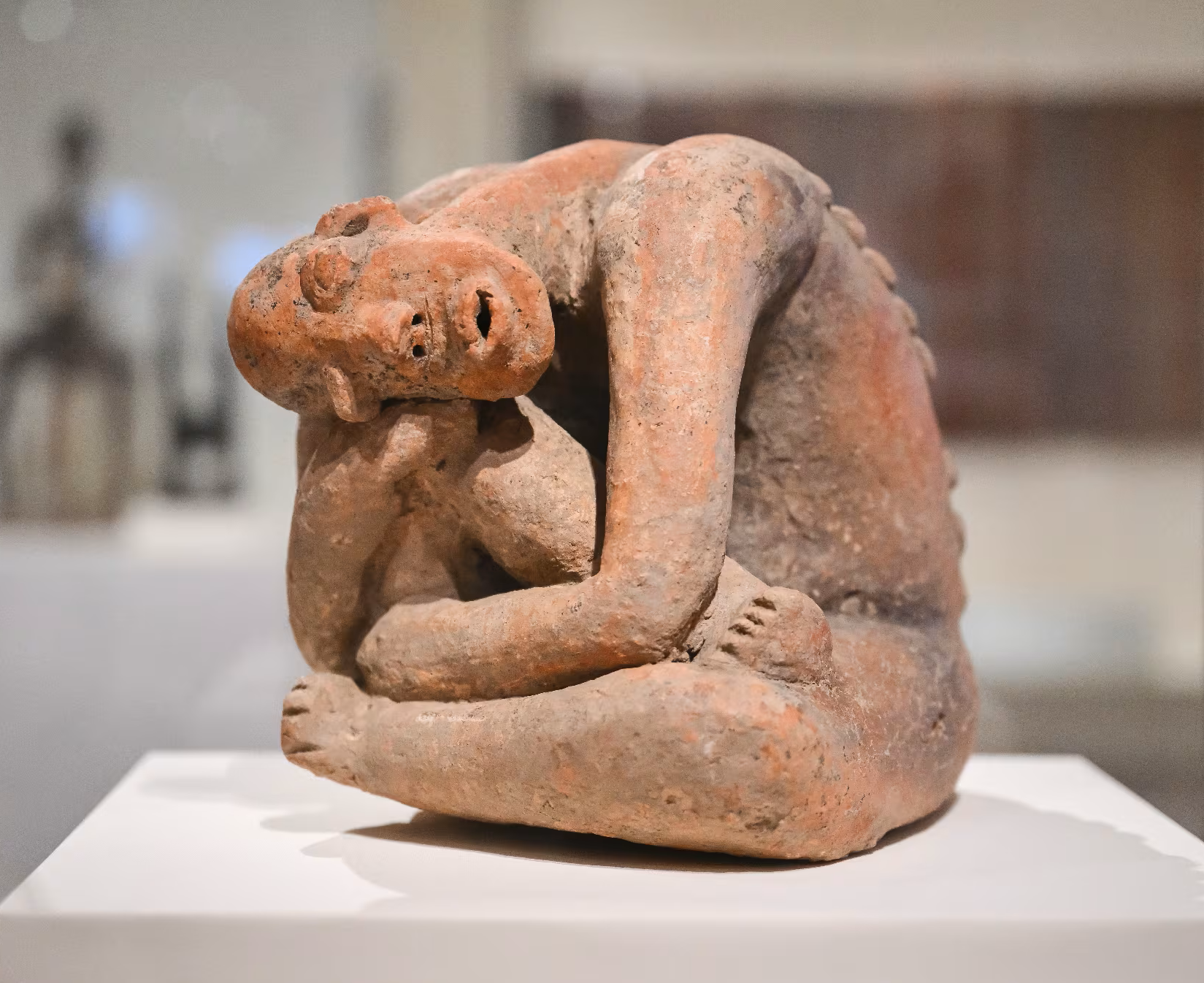
Africa holds a central place in the new layout: about 500 works from over 170 cultures are brought together in a redesigned gallery, introduced by a luminous space inspired by Malian architecture. Benin bronzes, Baoulé masks, and Bamana statues are displayed alongside modern works by artists such as Iba N’Diaye and Abdoulaye Konaté, underscoring the continuity of a living tradition from ritual objects to contemporary creation.
The sections devoted to the ancient Americas and Oceania also highlight major pieces, including Andean textiles, llama-wool tunics, and the monumental bisj poles of the Asmat people from Papua New Guinea, all bearing witness to the strength and universality of these traditions.


A Modern, Immersive Museography
Led by architect Kulapat Yantrasast, the renovation has transformed the wing into a luminous and fluid space. A 200-foot glass wall floods the galleries with natural light, while the layout is now organized by region and theme. Vaulted ceilings inspired by the Great Mosque of Djenné in Mali and the airy volumes of the Oceanic galleries create an architectural dialogue with the cultures represented.
The new museography integrates multimedia content, documentary films, and interactive labels, offering visitors an immersive and educational experience. Several installations were developed in consultation with the originating communities of the works, ensuring a respectful and authentic presentation. Altogether, the project reflects the Met’s ambition to make this wing a global benchmark for the appreciation of non-Western arts.
More than a simple reinstallation of a collection, this reopening invites visitors to rethink how Indigenous arts are viewed. Blending aesthetics, pedagogy, and ethics, this museum renaissance marks a turning point in their international recognition.