Chef Anto Brings Paris Its First African Gourmet Grocery

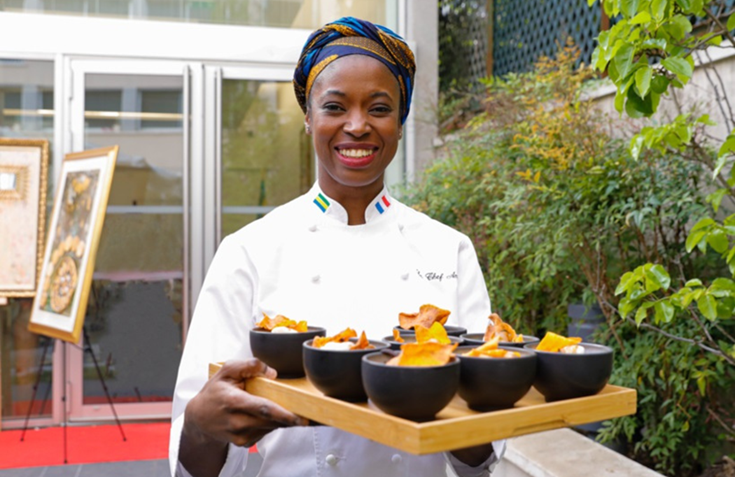
A pioneer of African gastronomy in Paris and the first private home chef specializing in the continent’s cuisines, Chef Anto Cocagne breaks new ground once again with the opening of Baraka, the very first African gourmet grocery store in the French capital.
© Anne Bergeron

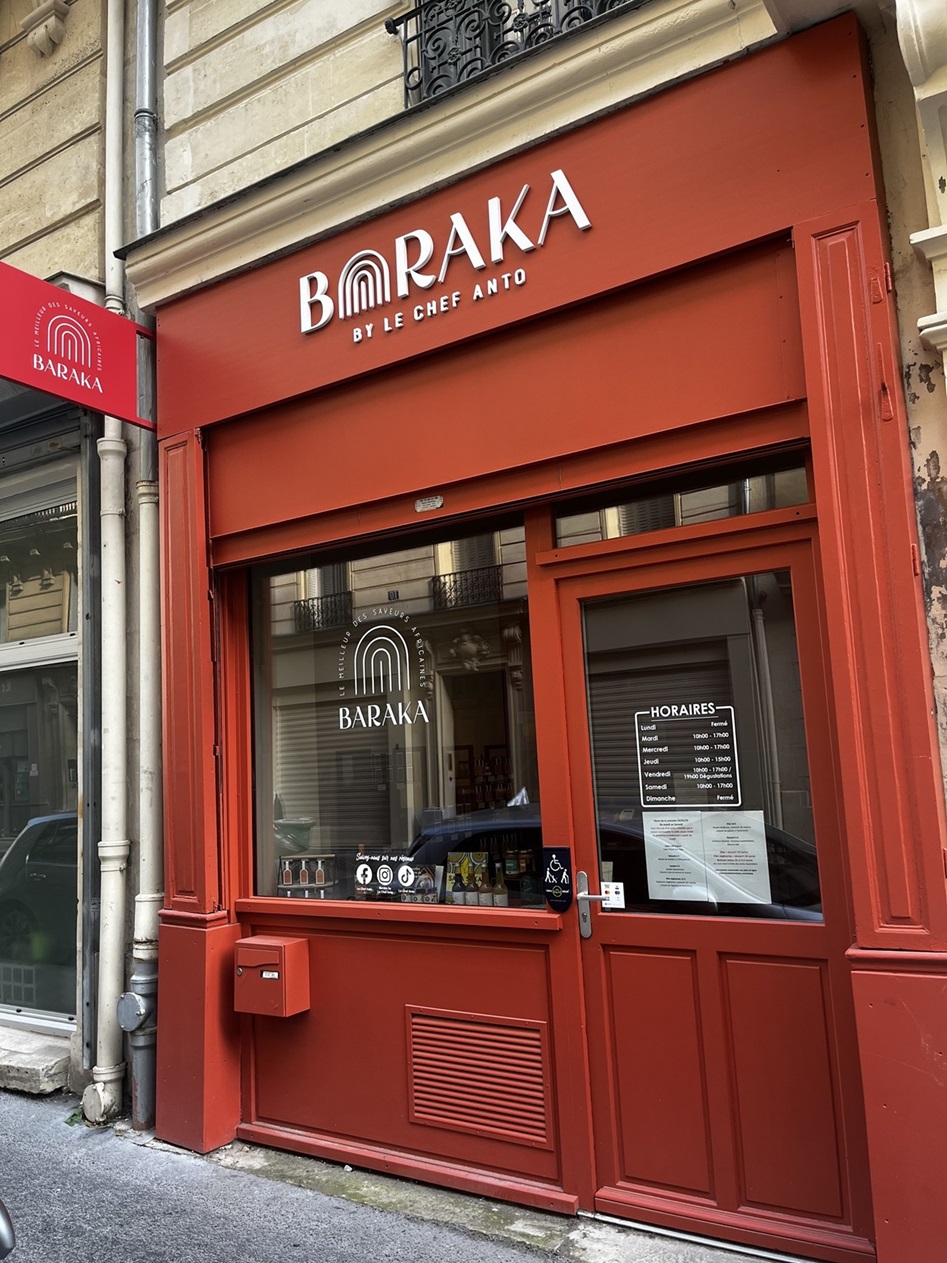
Named after the neighborhood in Libreville where her grandmother lived, Baraka opened its doors last October in the heart of Paris’s 15th arrondissement. Located at 9 rue Robert Fleury, the shop provides Parisians with the missing address they needed to ease into African cuisine, offering carefully selected products and expert advice.

A Lifelong Passion Rooted in Childhood

The opening of Baraka is the natural continuation of a long-standing journey. Anto Cocagne’s passion was born in Gabon, in her family’s kitchen—a cherished place where advice, rumors, and secrets were shared in a warm, convivial atmosphere. As a teenager, she sold madeleines at school, which soon became a local hit. This early entrepreneurial success was a turning point, convincing her initially hesitant parents to support her culinary ambitions.

In France, in Grenoble, she enrolled in a hospitality high school, followed by a BTS and a degree in restaurant management, before joining the prestigious Ferrandi School in Paris, where she specialized in catering. Armed with a solid foundation, she returned to Gabon in 2010 with plans to open a restaurant. However, she was met with disappointment as her project ran into prejudice and cautious banks.

She returned to France and began working for major names in event catering (Lenôtre, Potel & Chabot…), first in the kitchen, then in sales roles in search of better work-life balance. But away from the stove, she felt unfulfilled. In 2014, she finally found her true calling as a private home chef, a role she has complemented since 2017 by offering cooking classes.

Noticing the lack of African options in catering catalogs, she decided to specialize in the continent’s cuisines. A pioneer in the field, she quickly stood out on booking platforms, gained enthusiastic feedback, and experienced growing success.
© Ikapture

A Palace of Discovery

Baraka continues her work as a caterer and cooking teacher. Many of her clients ask where to buy the ingredients she uses, but addresses in Paris are scarce and often known only to insiders. For this curious yet uninitiated clientele, she designed a bespoke space with a carefully curated selection and personalized guidance.

The store’s offerings include her own branded products as well as consignment goods, with new items added each month. While the products are processed in France to meet regulatory standards, the ingredients are sourced directly from Africa. The shop is rich with the aromas of spices: Odjom leaves, Pébé nuts, Selim pepper, Penja pepper, Hiomi powder… A wide range of drinks is also available, including hibiscus (bissap), ginger, and baobab. Chef Anto is particularly proud to introduce French customers to pineapple wine—which is proving a real hit. Sauces, teas and infusions, jams, chocolates, and spreads complete the selection.

Chef Anto, who recalls the culture shock of her first hospitality school experience—discovering alcohol, cheese, and curiously bland food—understands the importance of accompanying people in their culinary discovery. She takes the time to guide her clients, passionately explaining each product, and hosts tasting evenings. With a pedagogical approach, she links unfamiliar flavors to more familiar references: néré reminds her of Parmesan, ideal in puff pastries; rondelle evokes white truffle, perfect in risotto. She also pairs new and familiar foods: suggesting, for example, foie gras with baobab chutney or Penja pepper jam. Rather than the term “fusion”—which she sees as a synonym for confusion—she prefers “collaboration,” which allows each flavor to retain its integrity without losing its identity.

Africa, the New Frontier of Global Gastronomy

With Baraka, Anto Cocagne continues to champion African cuisine, a mission she has pursued for over a decade. She shares her passion through various television shows (Rendez-vous avec le Chef Anto, L’Afrique a du goût on Canal+, Échappées Belles on France Télévisions), as well as in Afro Cooking magazine and her books Goûts d’Afrique (2019) and Mon Afrique (2024), both published by Mango. In them, we discover her culinary signature: African cuisine modernized with a French twist, such as yam cooked like boulangère potatoes or beef-spinach lasagna with plantains.

A committed chef, she also organizes events like We Eat Africa, the first African cuisine festival launched in 2018. Workshops, tastings, and product showcases celebrate the diversity and creativity of African culinary traditions—an event she plans to bring back next year.

Her determination is rooted in her belief that African cuisine deserves its place in a world increasingly in search of authenticity. “African cuisine didn’t wait for vegan or gluten-free trends to showcase natural products,” she emphasizes. Respectful of nature, she favors seasonal ingredients. Endemic grains—fonio, millet, sorghum, teff…—offer a valuable alternative to global cereals: gluten-free, non-GMO, nutritious, and low in water and input needs. Meanwhile, the tropical forest provides a vast array of aromatic seeds, some with therapeutic properties that even urban Africa has begun to forget. In a world where nearly every cuisine has already gone global, Africa remains one of the last regions capable of delivering true culinary surprises. And Chef Anto fully intends to keep revealing them to us.

Share the article
also read
  • All Posts
  • Lifestyle
  • Beauté
  • Culture