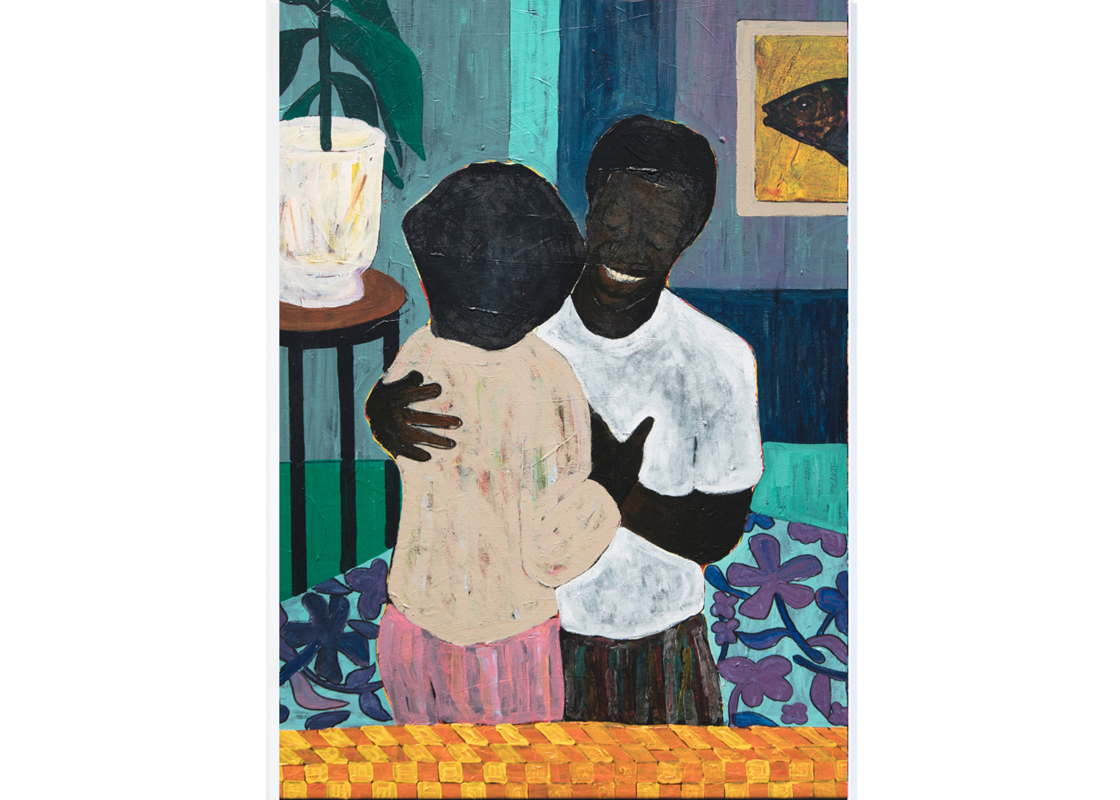
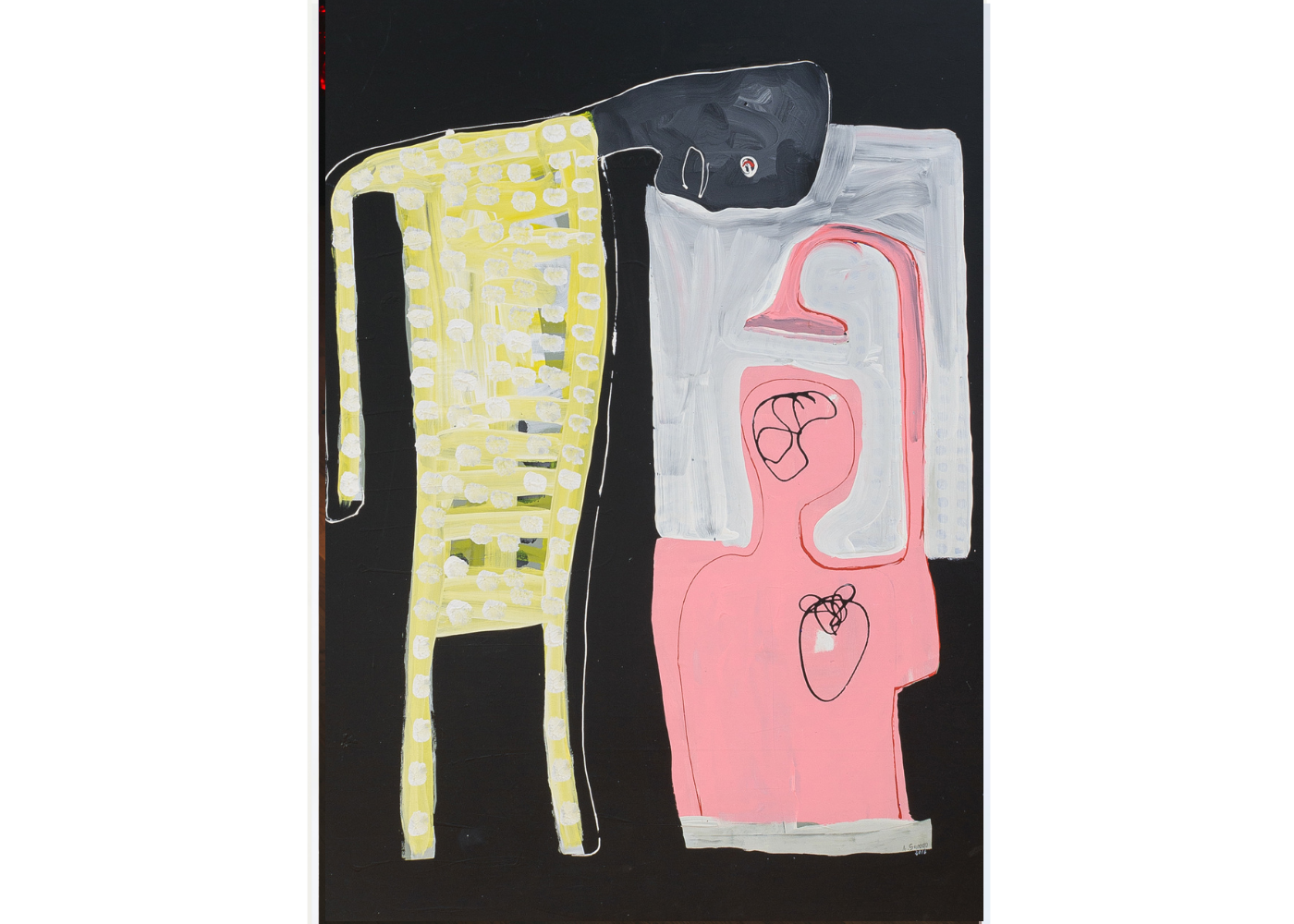
As France’s first art fair fully dedicated to African and diasporic scenes, AKAA (Also Known As Africa) has, in just a decade, established itself as a space for dialogue and exchange among artists, galleries, collectors, and institutions. It has played a major role in repositioning African creation on the global map of contemporary art. In Paris, it now holds a key place in “art week,” alongside Paris+ by Art Basel and Asia Now.
For this anniversary edition, more than forty galleries and over one hundred artists from twenty-four countries illustrate the richness and diversity of contemporary African expression.
Ten Years of a Pioneering Journey
With visible emotion, AKAA’s founder Victoria Mann inaugurated this milestone edition, whose poster was symbolically created by Mozambican photographer Mário Macilau, represented by Movart Gallery—also celebrating its tenth anniversary. Proud of the path travelled, Mann intends to continue AKAA’s mission: to make contemporary African art shine, now backed by an ambitious new artistic direction.
The new Artistic Director, Sitor Senghor, embodies that ambition. A former investment banker turned gallerist and curator—and great-nephew of poet-president Léopold Sédar Senghor—he aims to “reconcile culture and the market,” convinced that artistic recognition depends on the economic strength of the sector.
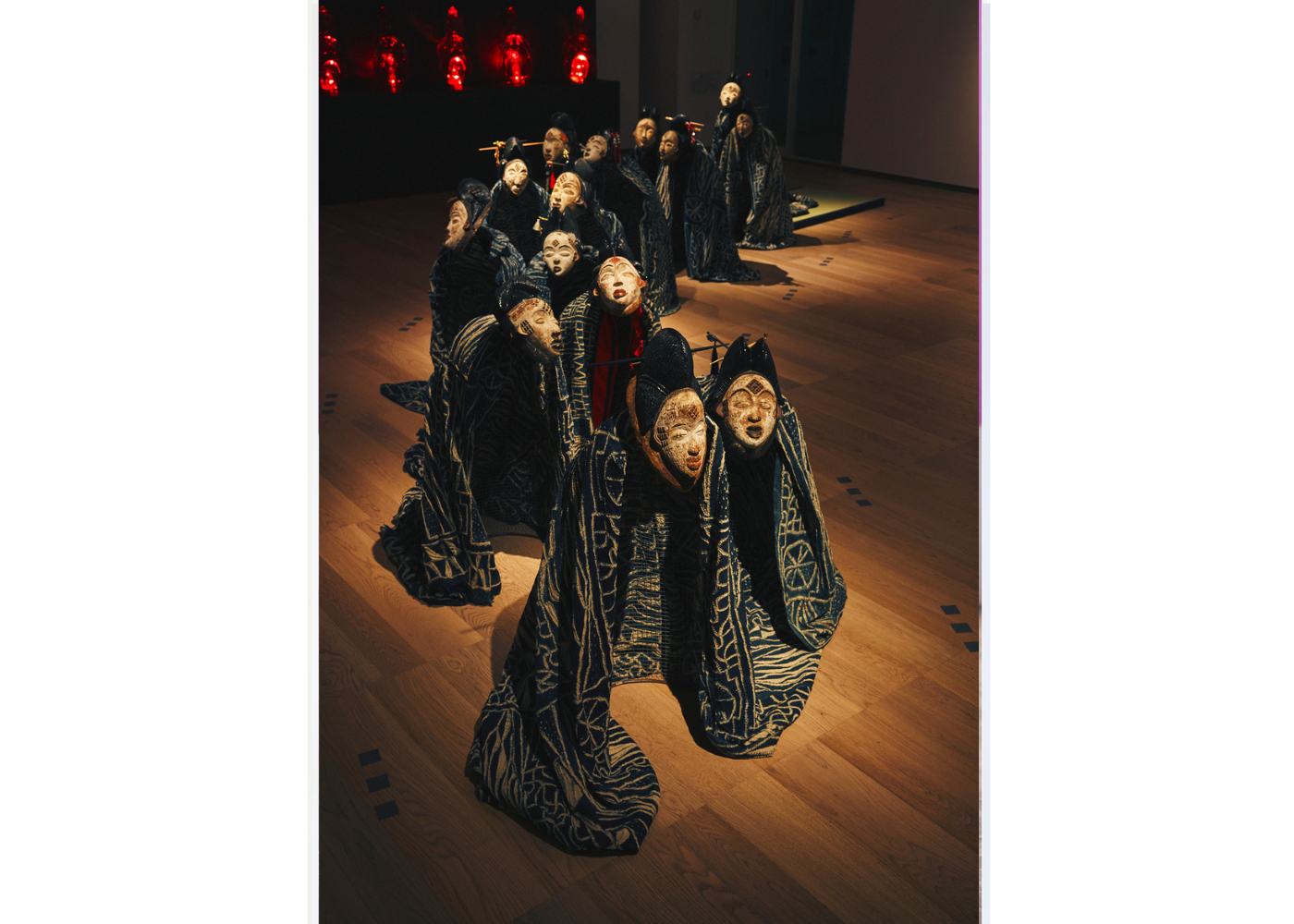
Under his direction, AKAA 2025 presents a rich and ambitious program featuring galleries from Africa, Europe, the Americas, and the Middle East, where established names—from Addis Fine Art to Afriart Gallery, Movart, and 193 Gallery—stand alongside a new generation of art dealers. Two thematic exhibitions, Terre Mère (Mother Earth) and Maîtriser (Mastering), as well as a monumental installation by Serge Mouangue, structure the fair’s journey.
To give the fair greater institutional resonance, Senghor invited the Fondazione Ettore e Ines Fico, a leading museum from Turin, to present a selection of works by African artists from its collection, including Bouvy Enkobo, Maïmouna Guerresi, Troy Makaza, and Victor Fotso Nyie. For Senghor, this partnership aims to offer the African art market institutional validation and to strengthen collector confidence. His ambition: to make AKAA a platform of legitimacy and trust, at the crossroads of creation and commerce.
A Unifying Theme: Material
This anniversary edition revolves around the theme of material. Pigments, fibers, metal, glass, and textiles become vehicles of memory, trace, and transformation. For Senghor, “material is both the beginning and the bond.”
This guiding thread highlights craftsmanship at the frontier of art and artisanry: ceramicists, weavers, sculptors, and designers reinvent ancestral techniques to root them in the contemporary. It also pays tribute to women artists, many of whom explore mediums long considered minor.
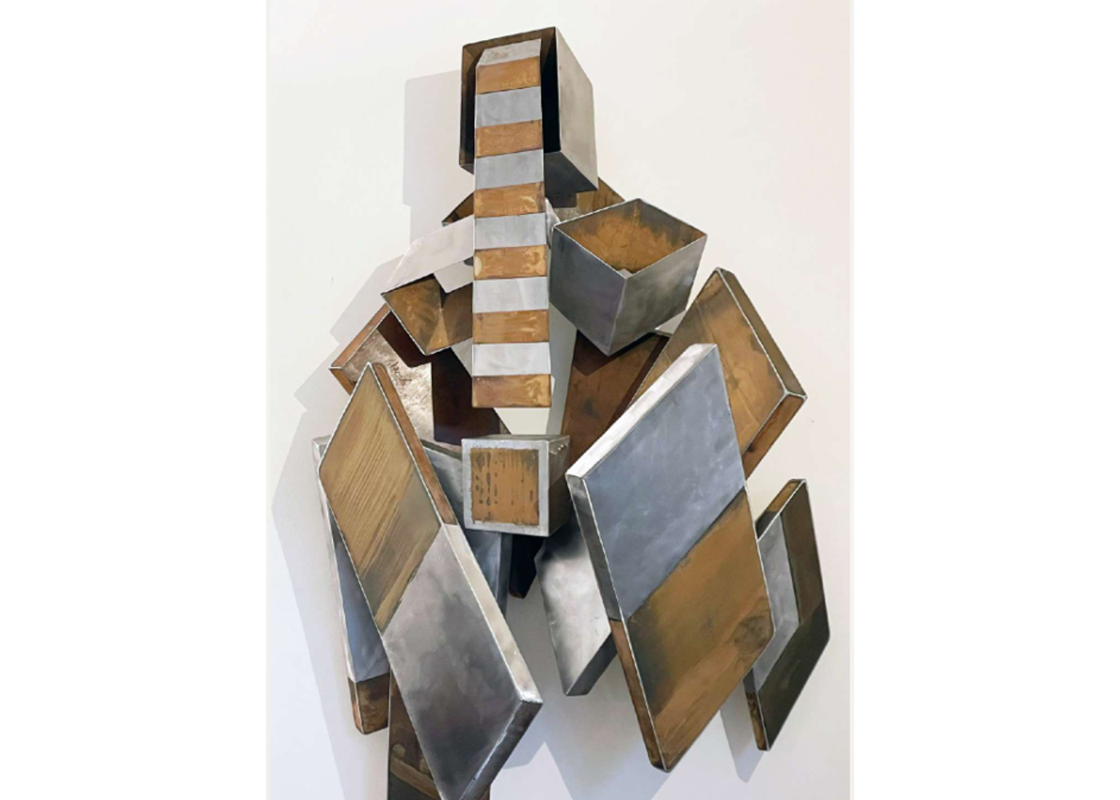
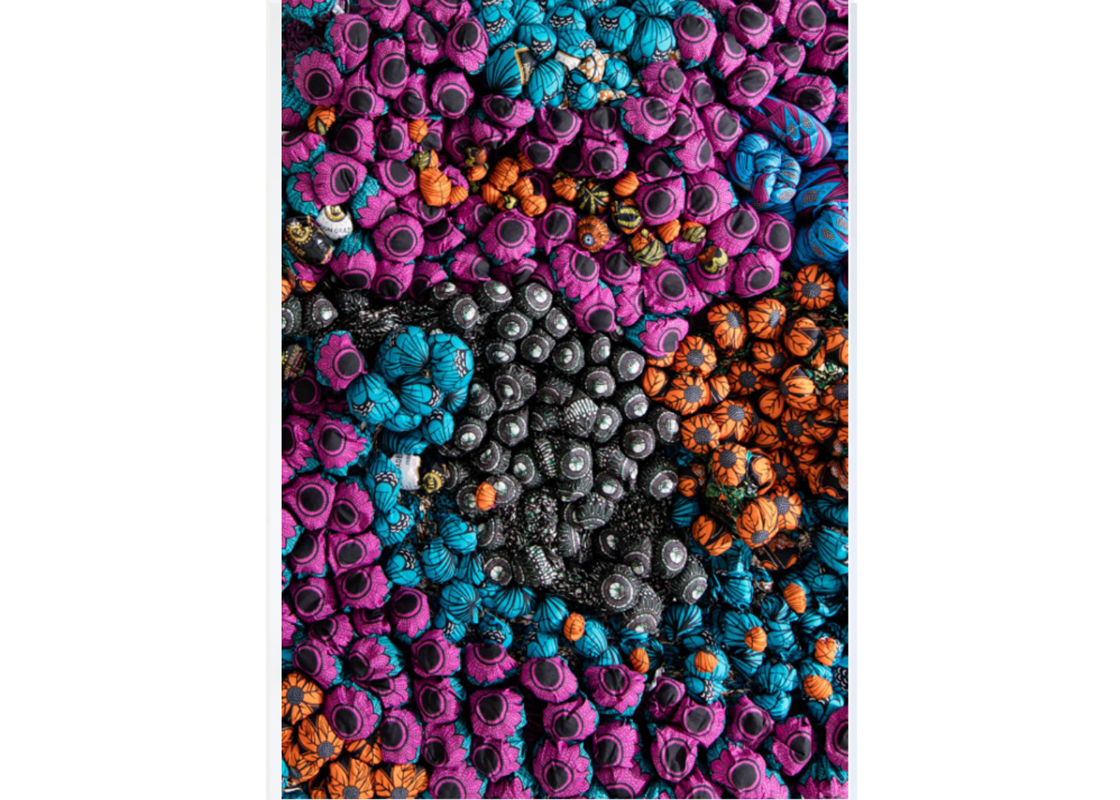
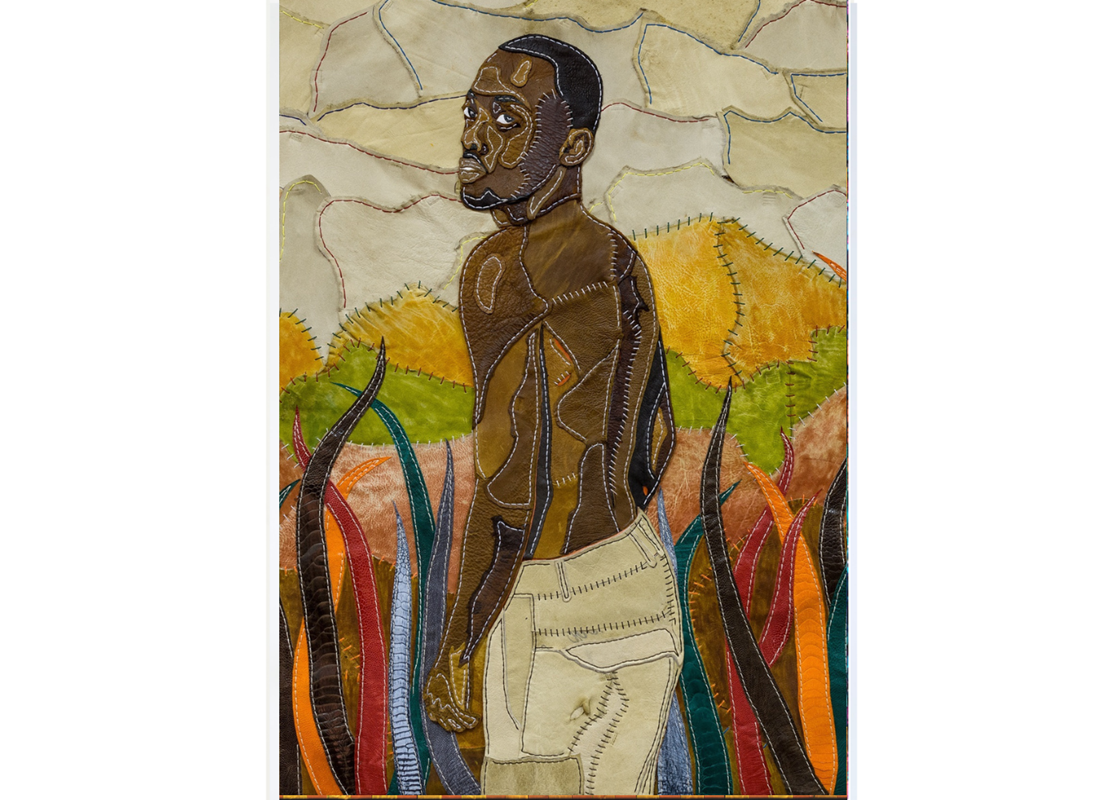
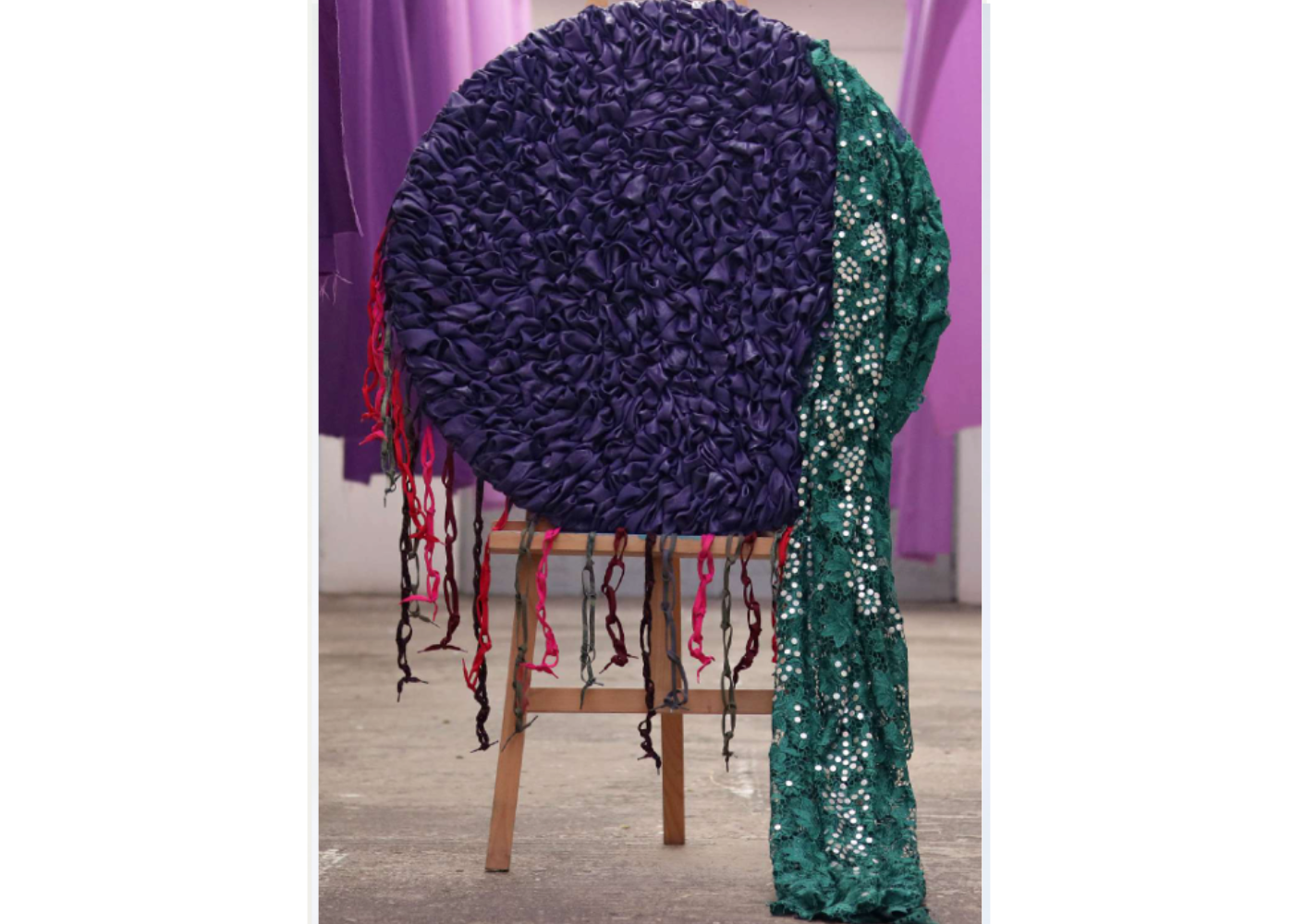
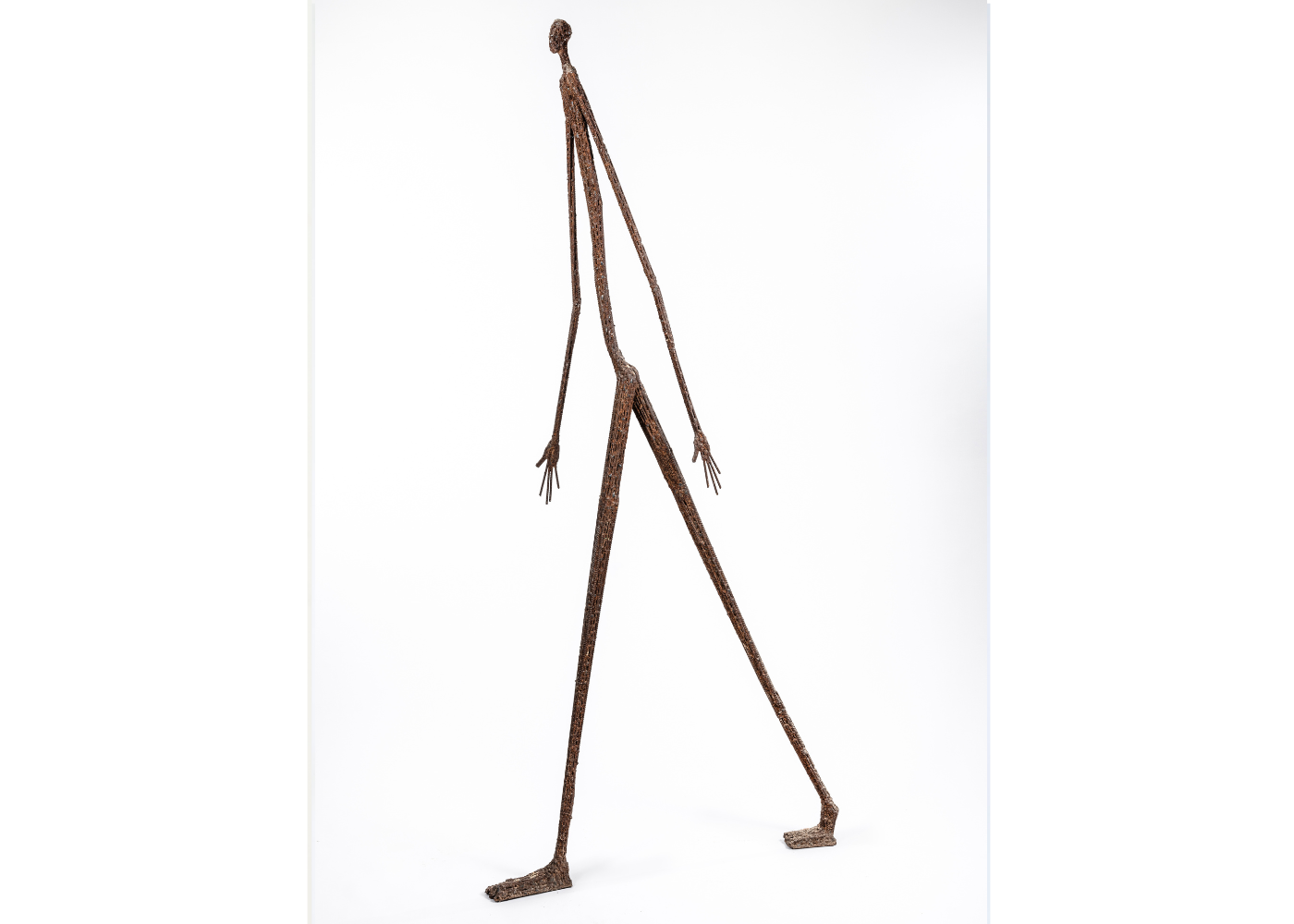
This sensorial approach is embodied in the works of Abongile Sidzumo (South Africa), who sculpts leather and reclaimed materials to explore memory and identity; Samuel Nnorom (Nigeria), whose textile assemblages question cultural narratives and consumerism; Godwin Champs Namuyimba (Uganda), who blends abstraction and figuration on canvas and denim to probe heritage and identity; and Stevens Dossou-Yovo (Benin), whose steel sculptures express motion and materiality through dynamic, fluid compositions.
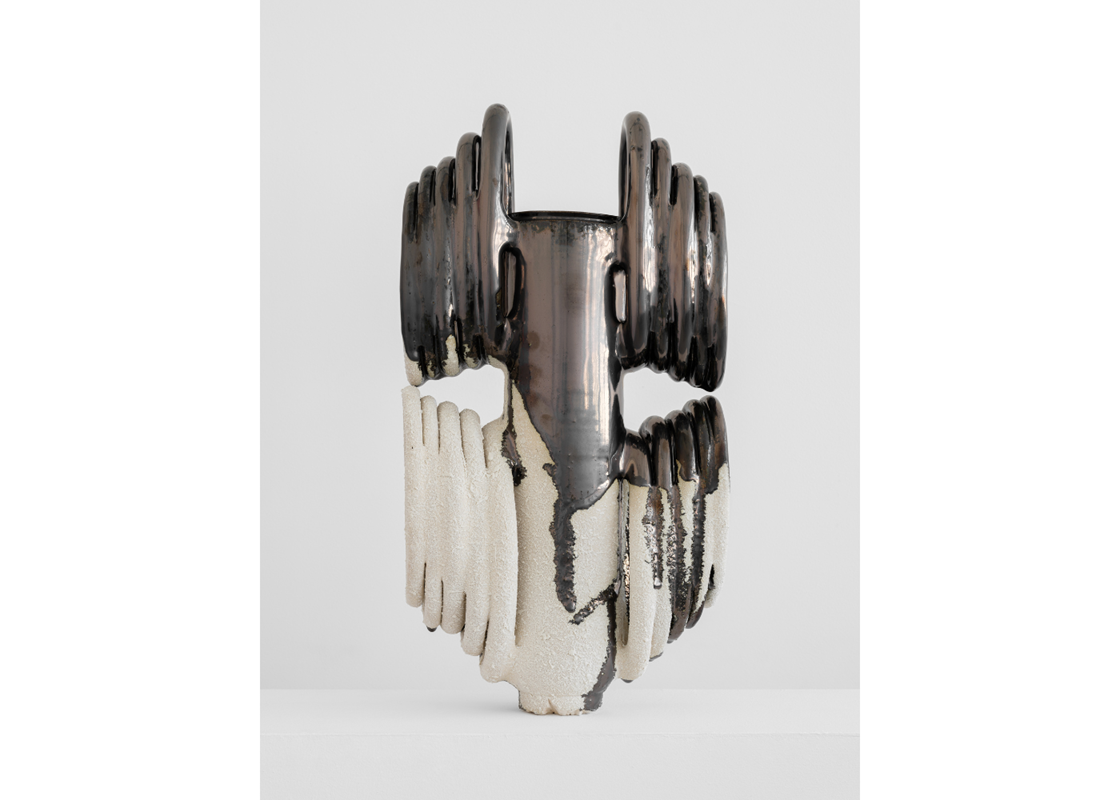
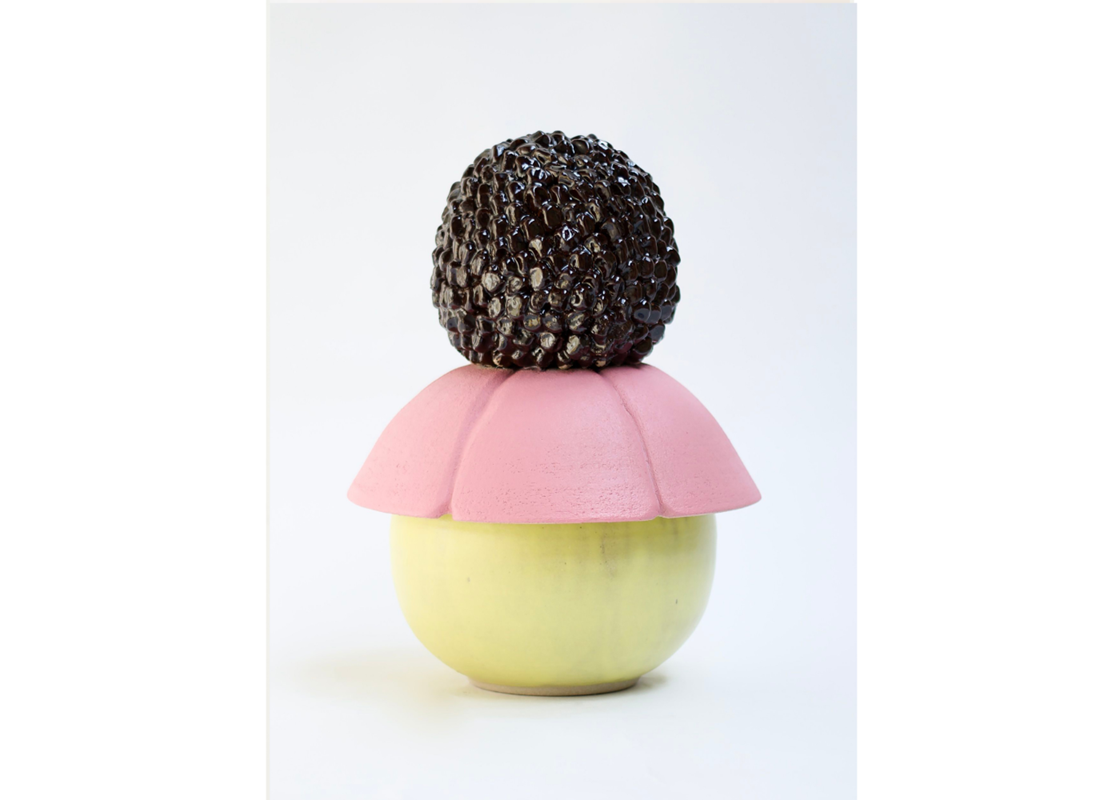
The fair also shines a spotlight on ceramics—long dismissed as a minor discipline—through the collective exhibition Terre Mère. This initiative gives smaller galleries from Morocco, Nigeria, and Burkina Faso rare visibility among both professionals and the general public. Notable works include those of King Houndekpinkou (Benin), who fuses Japanese and Beninese Vodun traditions; ANNEAGMA (Côte d’Ivoire/France), who explores memory and transmission through stoneware and porcelain; and Stéphanie Edith Conradie (South Africa), who repurposes domestic and architectural forms to question social and cultural layering.


Nurturing Emerging Voices
True to its pioneering spirit, AKAA 2025 spotlights a new generation of emerging artists whose works engage with pressing contemporary issues—ecology, postcolonial memory, migration, identity, and femininity—through ever-evolving forms: immersive installations, textile experimentation, organic sculpture, and digital practices.
At the heart of the main hall, Franco-Cameroonian artist Serge Mouangue presents a monumental installation born from his Wafrica project, a fusion of African and Japanese aesthetics. This totemic work—bridging tradition, spirituality, and design—stands as one of the highlights of the fair.
Young Zimbabwean artist Gladys Gambi, recipient of the Fondazione Ettore e Ines Fico Prize, captivates with the poetic and spiritual force of her practice, which explores the connections between body, identity, and transcendence.
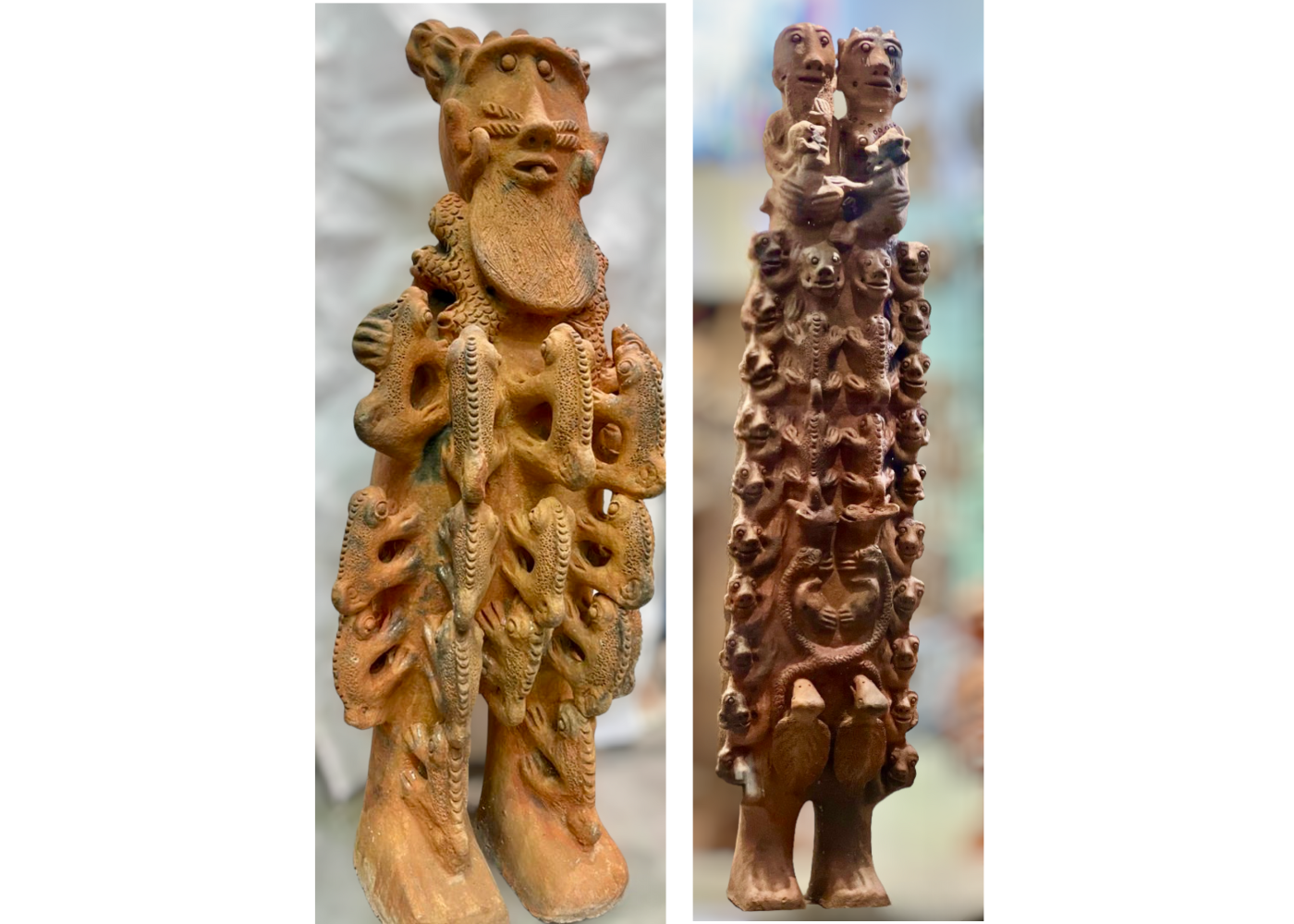
The exhibition Maîtriser also brings together several significant figures, including Emmanuel Aggrey Tieku (Ghana), winner of the Ellipse Prize 2025, who transforms second-hand clothing into textile installations exploring memory, identity, and overconsumption. Alongside him, visitors rediscover Ndary Lo (Senegal), who repurposes salvaged materials into sculptures exploring spirituality and interconnection; Amadou Sanogo (Mali), whose minimalist, symbolic universe unfolds on reclaimed canvases; and Seyni Awa Camara (Senegal), a self-taught artist who models human and animal figures inspired by traditional pottery, blending power and mysticism.


These artists embody the promise of an African art freed from the constraints of style or geography. By championing them, the fair demonstrates that African contemporaneity is not a margin—but a driving global aesthetic force, capable of renewing the very perception of the art market.