Thirteen years after its creation in Lomé, FIMO228 continues to expand its international reach with a Parisian edition that grows in scale each year. Held alongside Paris Fashion Week, this event has become an unmissable occasion to discover contemporary African fashion. More than a mere showcase of aesthetics, the festival — led by Jacques Logoh — carries a clear ambition: to structure and professionalize a rapidly growing industry while building bridges between continents.
Artistic Celebration and Social Impact
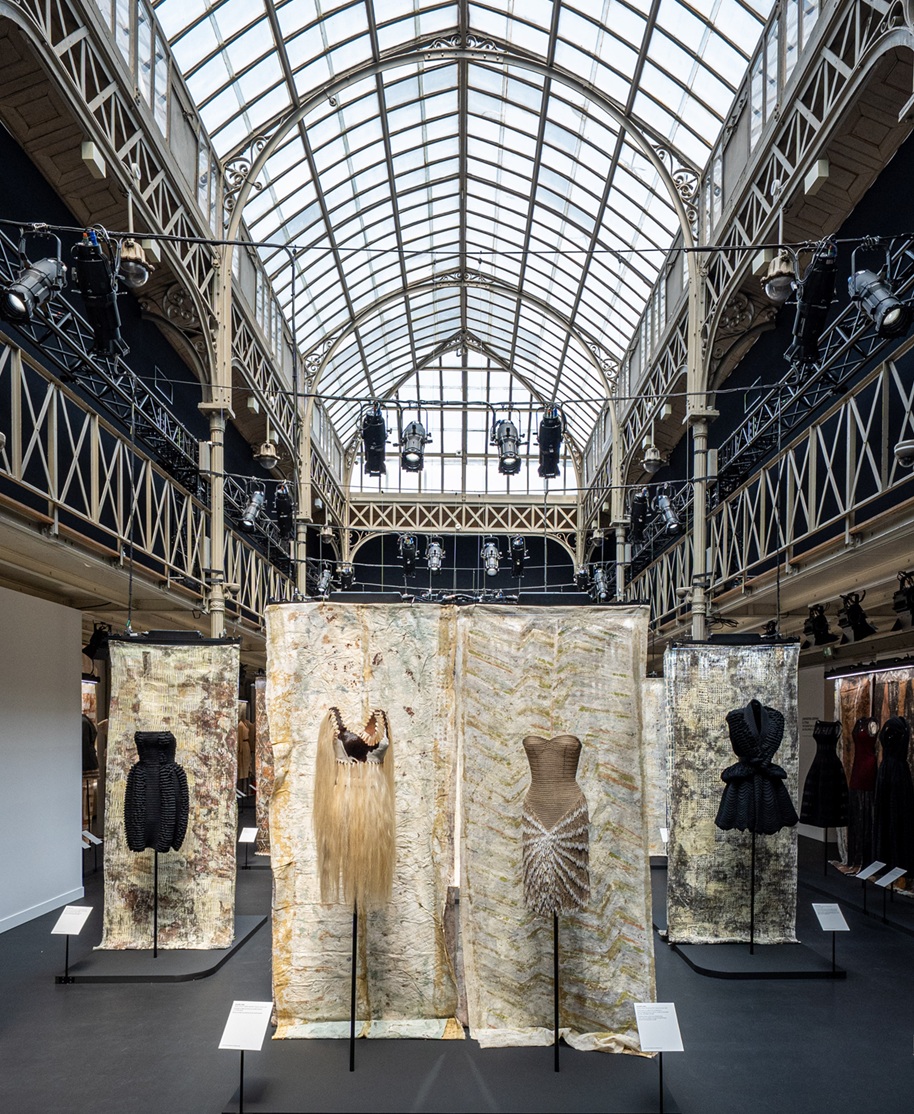
To spotlight the new generation of African designers, FIMO staged a spectacular evening under the elegant glass ceilings of the Orangerie d’Auteuil. A succession of vibrant runway shows was punctuated by musical performances and art installations, offering guests a full immersion into the dynamic world of African creativity.
Beyond the festive atmosphere, the festival aims to serve as a catalyst for the African fashion industry, creating professional opportunities for designers on the international market. Dedicated B2B spaces facilitated meetings between designers, buyers, distributors, and other industry players, while roundtable discussions on current trends provided valuable networking opportunities.
Social engagement was also at the heart of the event, with a campaign to raise awareness about cancer, a cause dear to founder Jacques Logoh. By integrating this humanitarian dimension into its program, FIMO228 reaffirms its conviction that fashion can be both a driver of social change and a space for artistic expression.
Between Heritage and Boldness
The Paris runway of FIMO228 brought together designers from across the continent, showcasing the richness and diversity of contemporary African aesthetics. While all share a deep commitment to craftsmanship and innovation, their approaches ranged from reinterpretations of tradition to avant-garde experimentation.
Some revisited cultural and artisanal codes of the continent, reimagining them for the modern era. Elbryt’s creations combined structure and elegance, reinventing the pagne in a refined, timelessly feminine wardrobe. Eliette Lesuperbe presented fluid, radiant silhouettes that embodied a style merging femininity with textile heritage. Helmer Joseph (HANAYA), meanwhile, elevated traditional craftsmanship through an architectural and artisanal approach — a true bridge between memory and innovation.
Other designers embraced a more urban and forward-looking aesthetic, exploring clean lines and contemporary volumes. Kai’s Divo and Tae Couture unveiled minimalist yet assertive silhouettes, designed for a confident, globalized generation — a bold and liberated vision of African fashion.
Through this diversity of styles, the show painted a living portrait of today’s African fashion — inventive, plural, and globally connected while remaining deeply rooted in its heritage.
A Festival Bridging Continents
Since its creation in 2012, FIMO228 has continually expanded its influence. What began as a local event in Lomé has grown into a continental and international platform, uniting designers, professionals, and media beyond Africa’s borders. The Paris edition, now firmly established in the Fashion Week calendar, offers the continent’s talents strategic visibility in one of the world’s fashion capitals.
Yet this Parisian presence does not signal a departure from its roots. The festival remains strongly anchored in Lomé, where its thirteenth edition will take place from February 24 to 28, 2026, under the evocative theme “To Be Born and Reborn.” This dual geographical presence reflects FIMO228’s mission: to foster dynamic exchanges between Africa and the rest of the world, helping African designers access global markets while strengthening local infrastructure.
Beyond the event itself, FIMO228’s ultimate goal is to build a sustainable African creative industry. By offering opportunities for training, networking, and visibility, the festival contributes to the rise of a professional ecosystem capable of standing alongside the world’s major fashion hubs.
More articles on the subject: