For a long time, debates on sustainable architecture were built around notions of smart buildings, green technologies, or innovative materials. Yet, as the climate crisis forces us to rethink the way we build, another perspective is beginning to emerge. Reuse, climate adaptation, material sobriety: certain approaches that in Africa are timeless practices today find an echo far beyond the continent.
In this regard, the World Monuments Fund/Knoll Modernism Prize awarded to Africa Hall marks a symbolic moment. For the first time, an African project is being recognized by this international prize dedicated to the preservation of modernist architecture. Beyond a heritage tribute, this recognition reveals a shift in perspective: it consecrates Africa as a laboratory of circular architecture.
The Second Life of Africa Hall
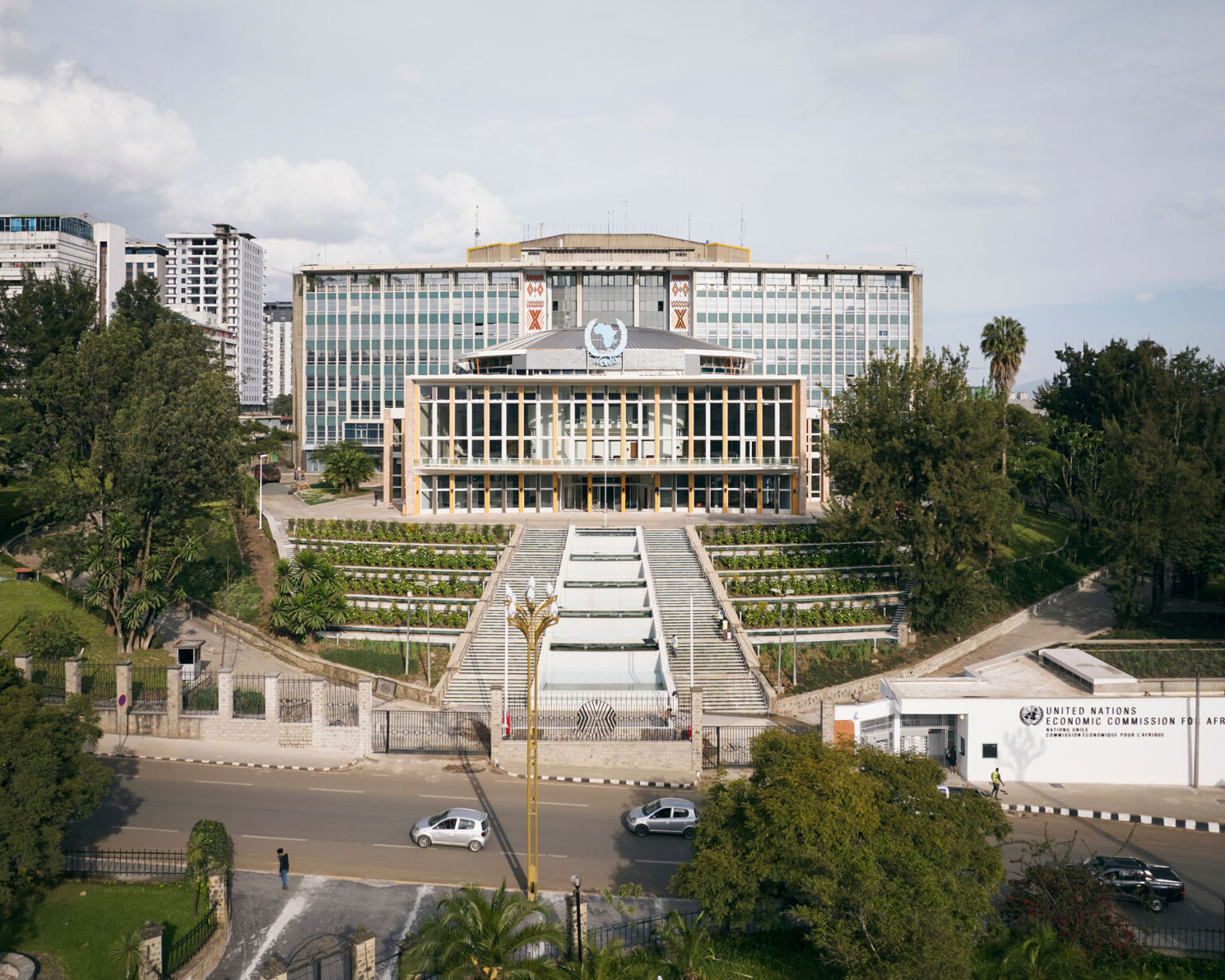
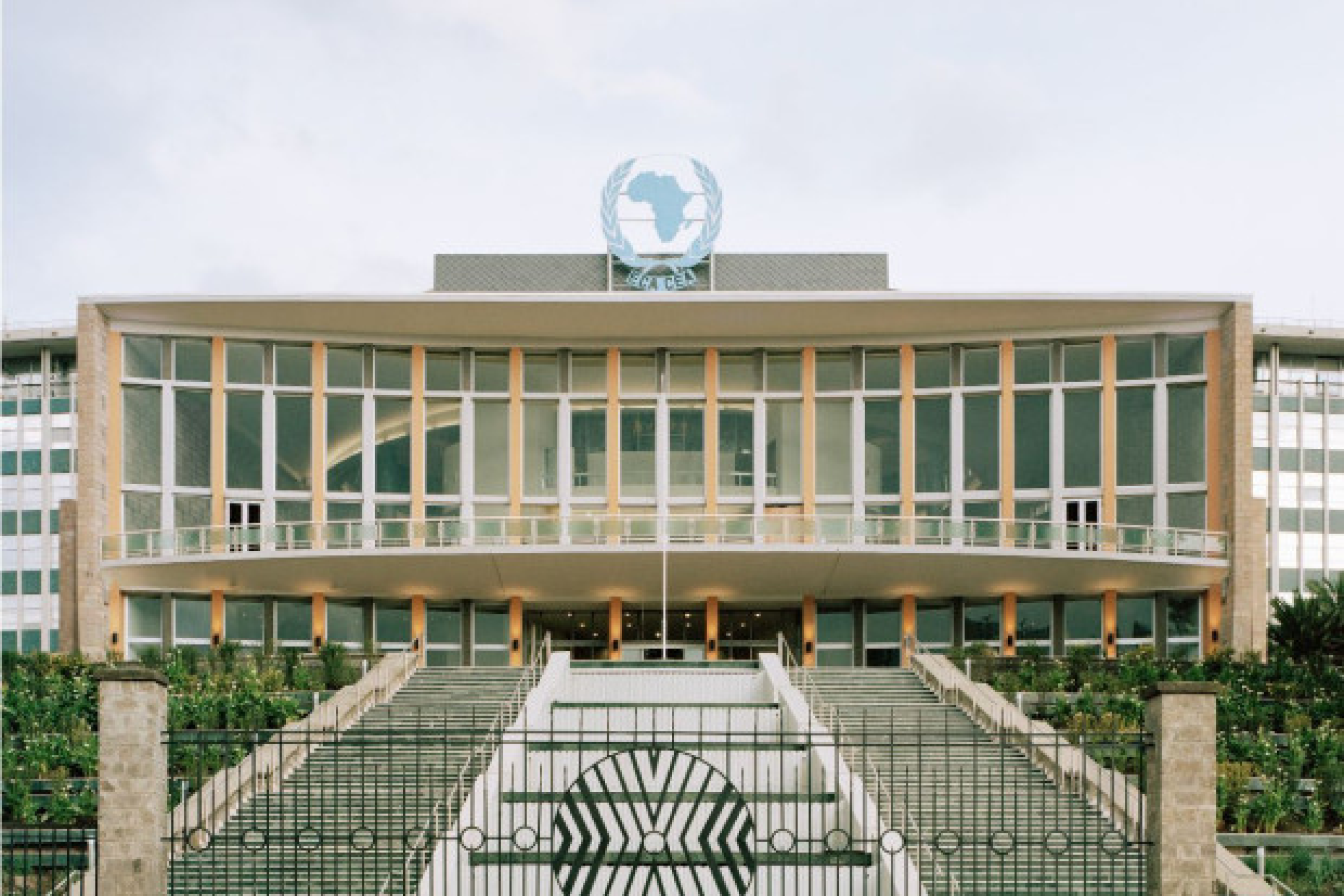
In Addis Ababa, Africa Hall dominates Churchill Avenue with its 1960s modernist silhouette. Conceived by Italian architect Arturo Mezzedimi and inaugurated in 1961 by Emperor Haile Selassie, the building becomes one of the high places of political and diplomatic pan-Africanism in post-independence Africa. It is within its walls that the founding charter of the Organisation of African Unity, ancestor of the African Union, was signed in 1963. Diplomats, heads of state, and international officials have shaped several decades of continental cooperation there.
For a long time, however, this African modernist heritage remained in a blind spot. Too recent to be considered “historical,” too associated with international architecture to enter classical heritage narratives, it was often neglected or threatened with heavy transformation.
The choice to finally restore Africa Hall, in line with international standards but in respect of the architectural and artistic vision of the 1960s, reflects a will to preserve a place of memory, embodiment of a certain idea of African modernity.
This architectural renaissance is accompanied by a revitalization of the place. Africa Hall will continue to host international conferences and diplomatic meetings, in continuity with its historical vocation. But the site will also open up more to the public thanks to exhibition spaces, a projection room dedicated to the history of pan-Africanism and African cooperation, a café, and landscaped areas. Conceived as a hybrid place, between heritage, diplomacy, culture, and transmission, Africa Hall aims to become one of the major cultural destinations of Addis Ababa.
Its restoration thus marks a strong symbol: what is celebrated here is not a spectacular gesture of new construction, but on the contrary a meticulous rehabilitation work, designed to give the building renewed public and diplomatic utility in an expanding African capital.
Africa Hall was not restored despite its history; it was restored precisely because this history was part of its value.
A Rehabilitation Under the Sign of Sustainability
The restoration of Africa Hall did not consist in freezing the building in a form of museum conservation. The ambition was different: preserve the identity of the place while allowing it to remain fully functional for decades to come.
The project was carried out over ten years, from 2014 to 2024, with particular attention paid to sustainability and circularity.
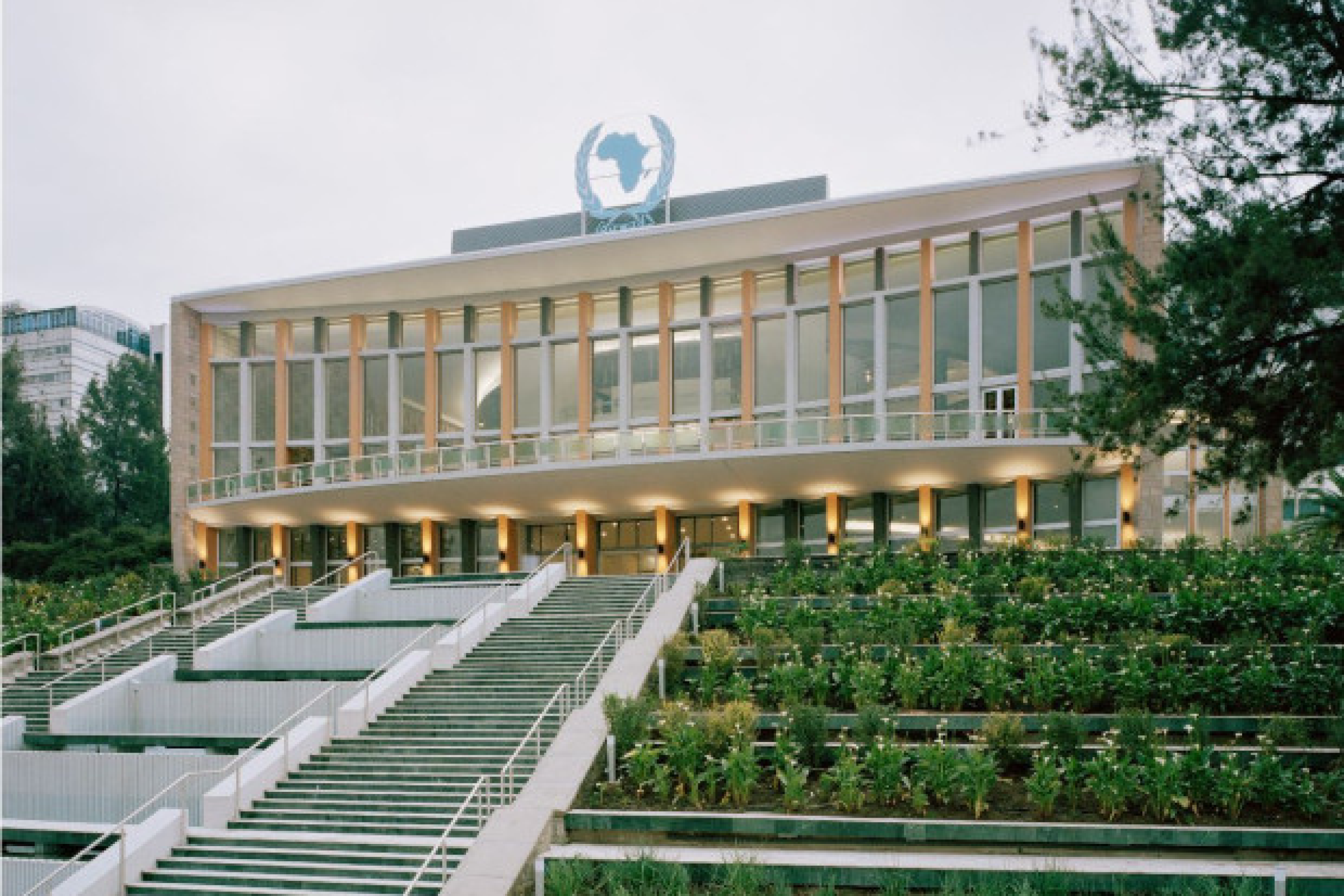
More than 500 pieces of original furniture were restored rather than replaced: wooden chairs, conference tables, lighting fixtures, and decorative elements were restored, limiting the production of new equipment while preserving the material memory of the building. The great artistic works also received particular attention. The mosaics, frescoes, and three monumental stained-glass windows by Ethiopian artist Afewerk Tekle were restored by the artist’s grandson himself, with a concern for heritage transmission as much as conservation. In the same spirit, thirteen million mosaic elements were reproduced identically to recover the building’s original aesthetic. Fountains, gardens, and terraces were also restored to recover the original architectural intention of the project and preserve the coherence of the site as a whole.
At the same time, technical performance was improved to integrate contemporary principles of passive ventilation, thermal insulation, and energy efficiency, while preserving the building’s initial bioclimatic principles. The building was also reinforced with steel and carbon fibers to make it earthquake-resistant—a technical solution that avoids complete reconstruction and reduces the project’s carbon footprint.
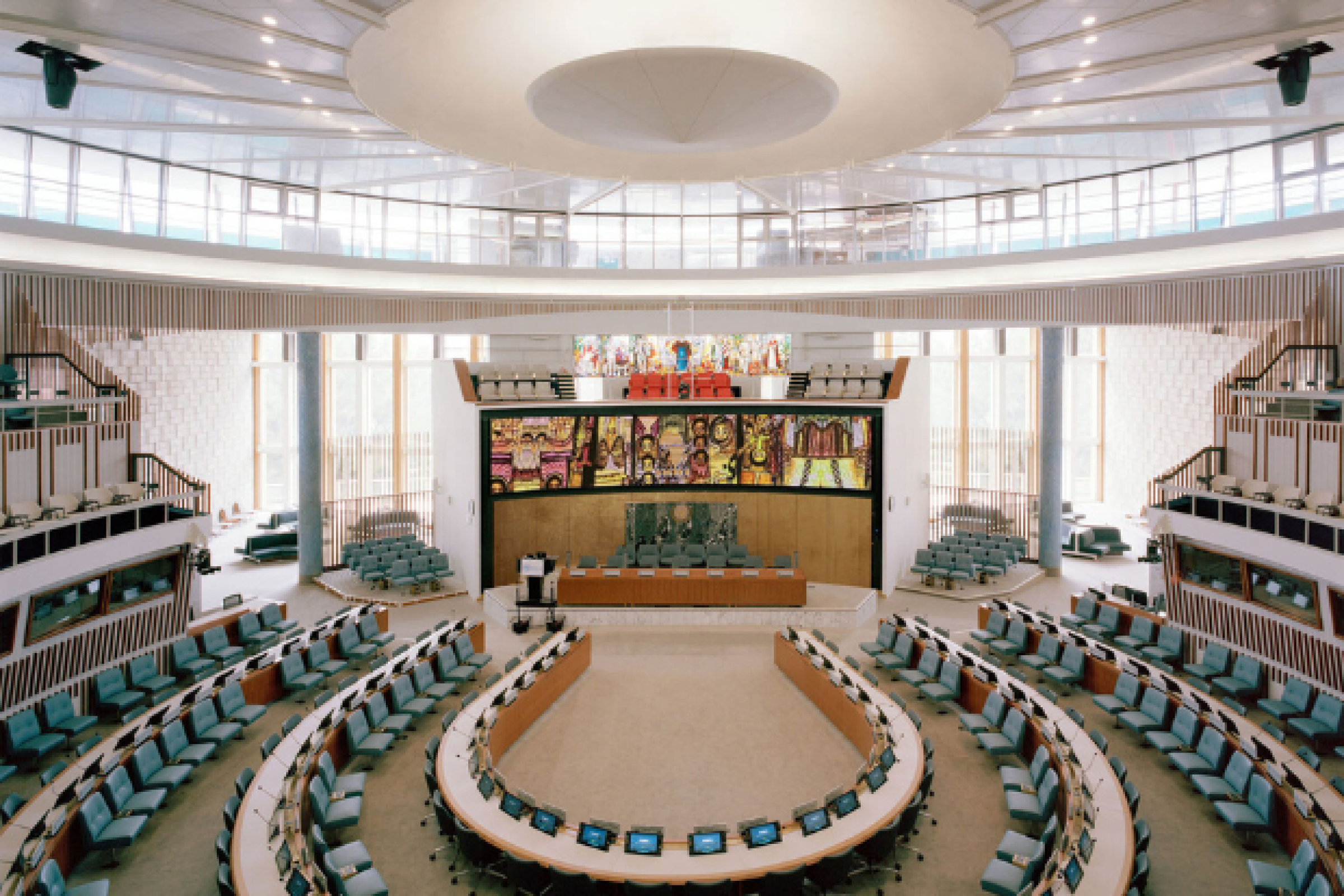
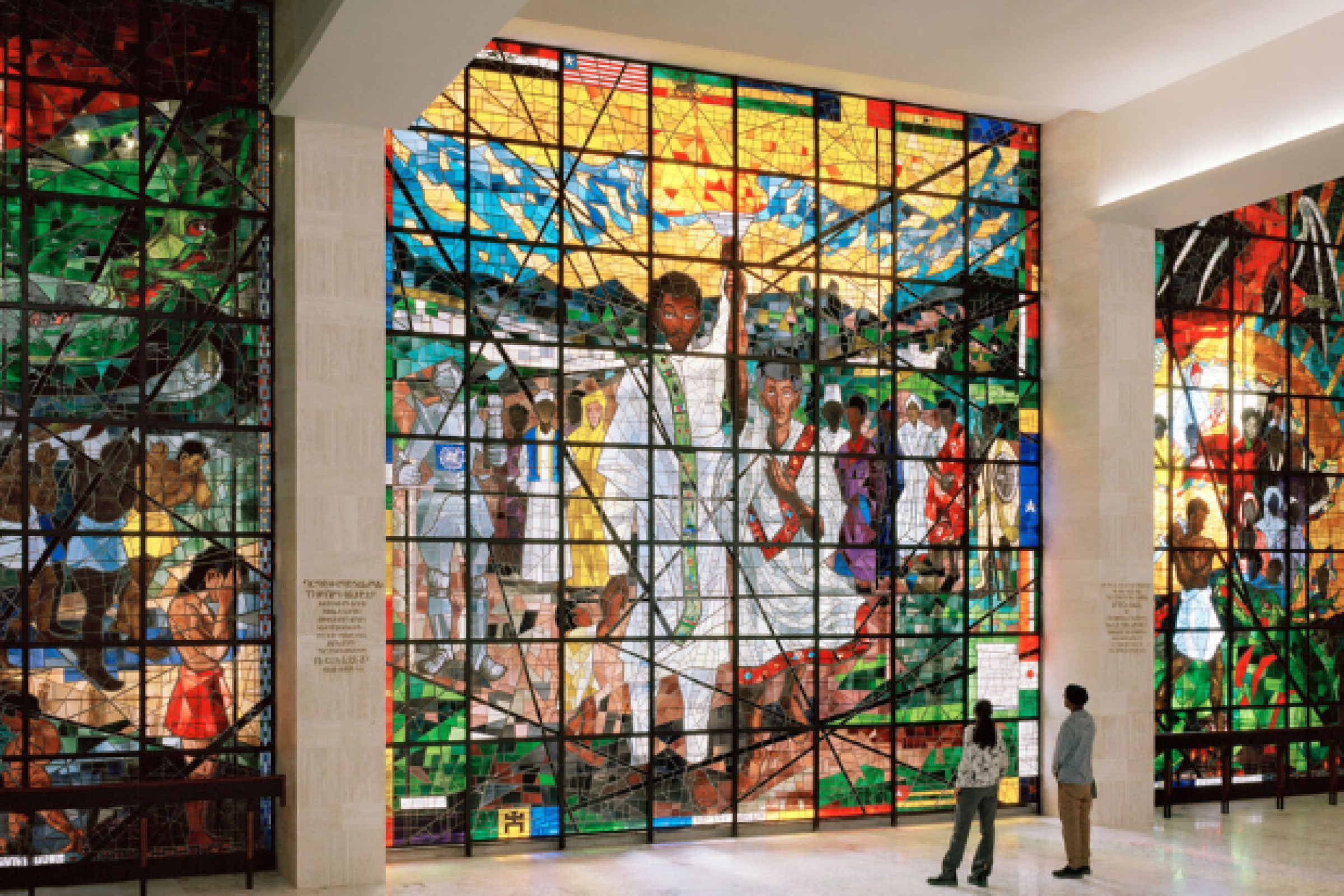
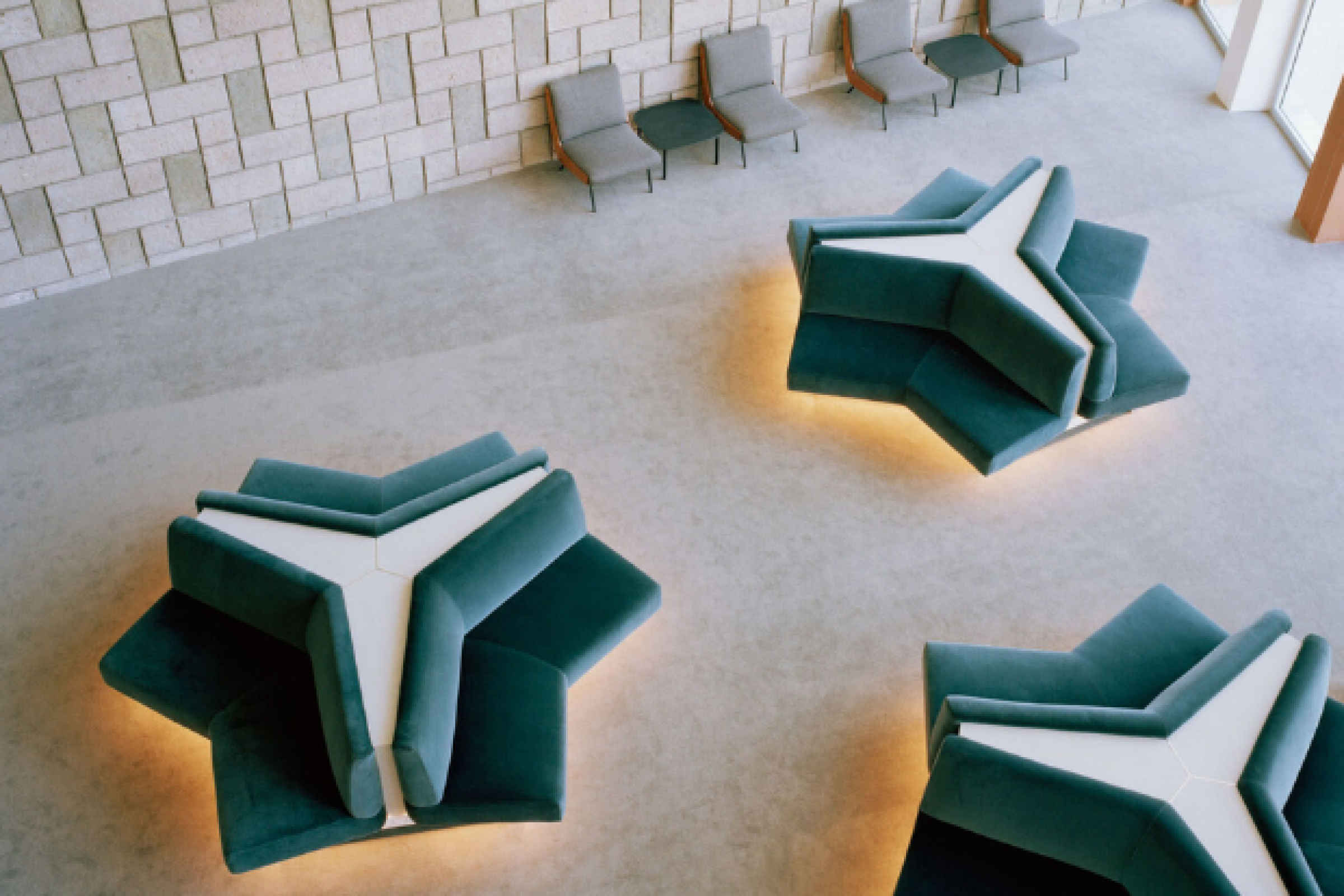
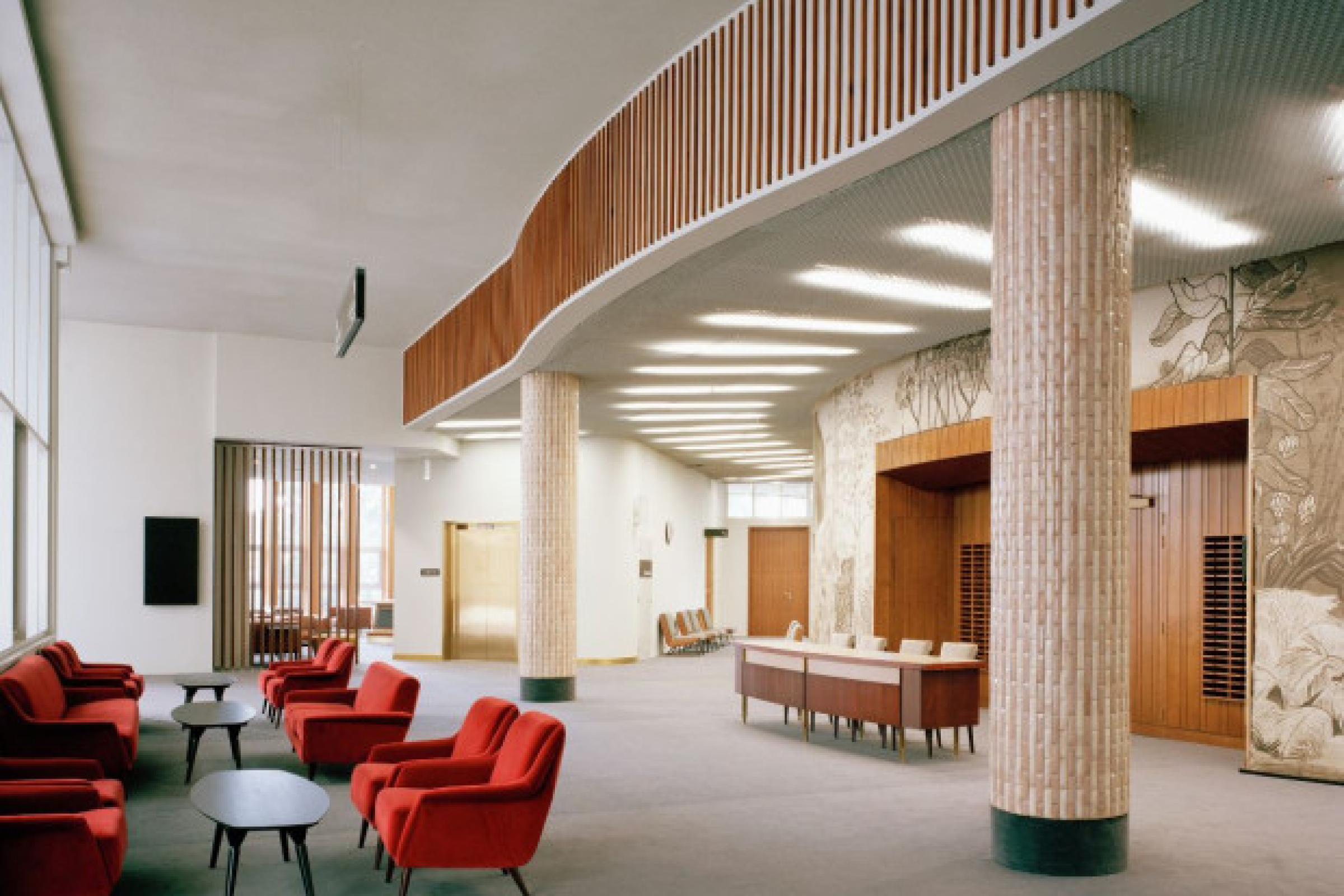
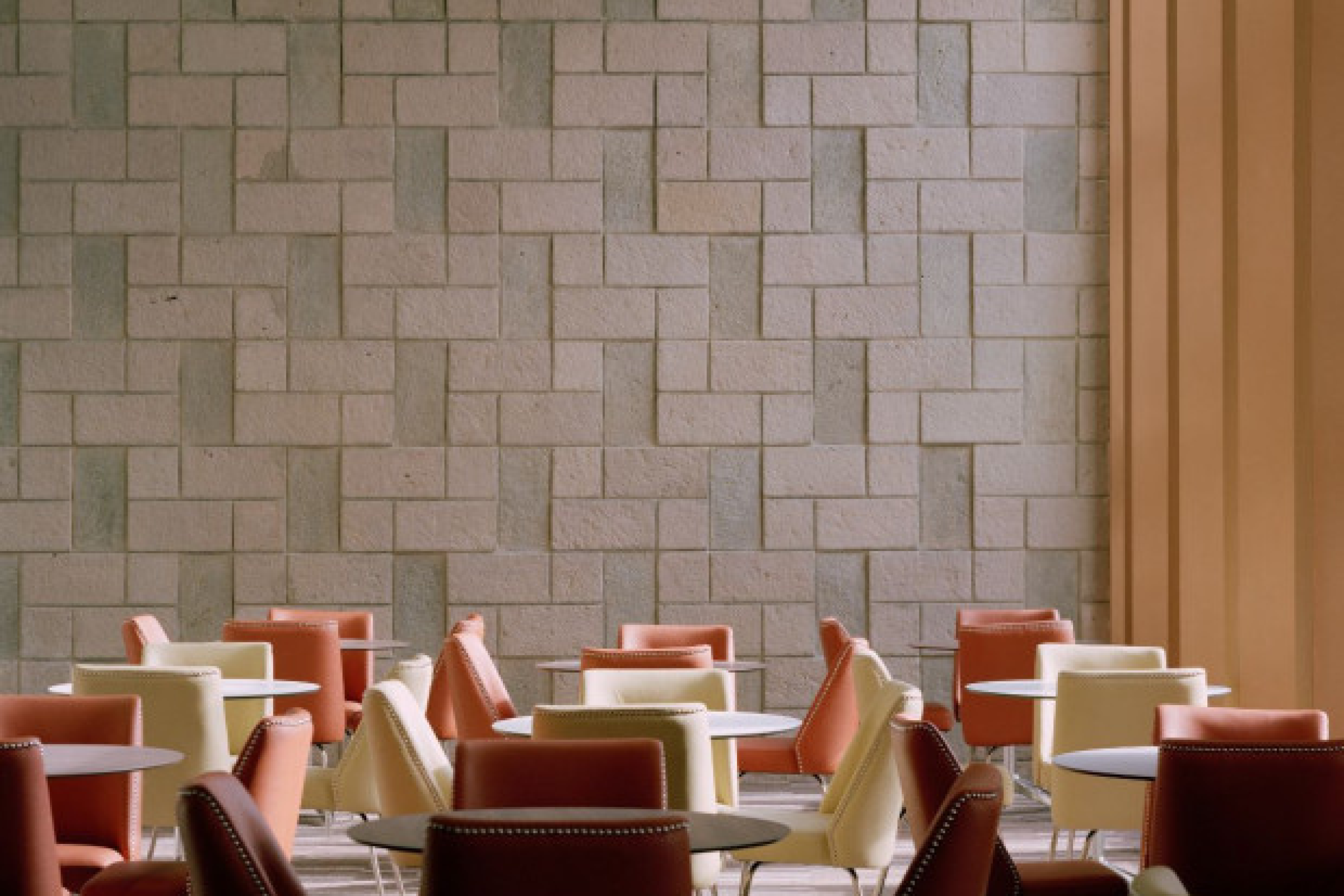
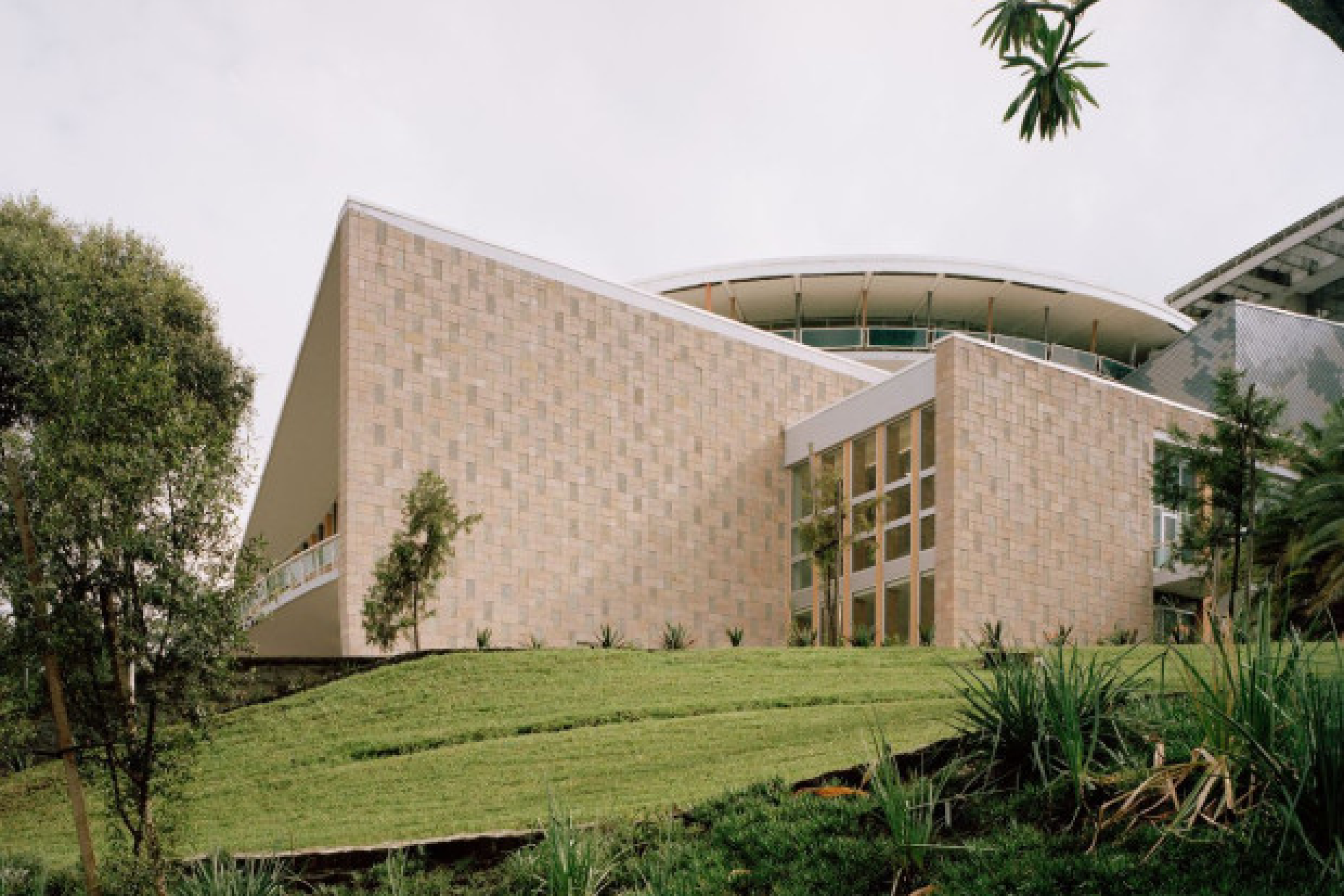
In a construction sector responsible for a growing share of global carbon emissions, this approach joins a principle that has become central in architectural debates. No demolition, no reconstruction: only restoration and reinforcement. The most sustainable building is often the one that already exists.
African Architectural Leapfrog
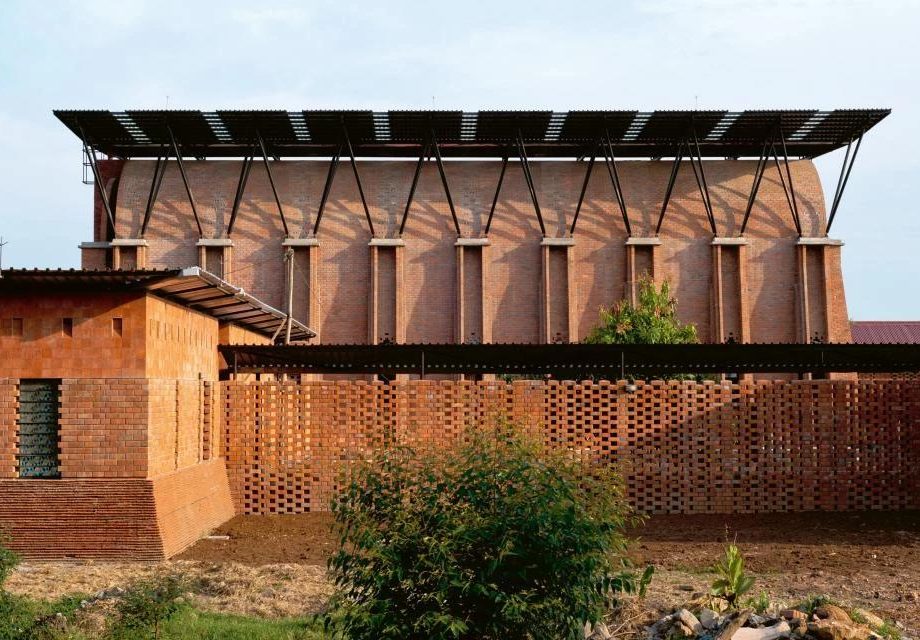
Africa Hall is not the only African project to receive international recognition for its sustainability qualities. In 2022, Burkinabe architect Francis Kéré became the first African to receive the Pritzker Prize, the “Nobel Prize of Architecture.” He built his international recognition around a simple idea: climate constraints and local resources can become innovation drivers. His primary school in Gando—his home village—uses compressed earth, natural ventilation, and passive cooling devices. Designed to limit reliance on air conditioning while improving thermal comfort, the building has become an international reference for bioclimatic architecture.
These projects give international visibility to architectural principles long used daily on the continent, long before becoming international trends.
To begin with, reuse. In cities as in rural areas, buildings are rarely frozen. A house grows, is repaired, changes function, recovers materials from elsewhere. Doors, metal sheets, frames, bricks circulate from one construction site to another. In popular neighborhoods, the built environment often develops in successive layers, according to family needs or available resources. We demolish little; we adapt. Born from economic constraint, this economy of repair today joins several objectives shared worldwide: material sobriety, lengthening of use cycles, waste limitation, resource optimization.
Frugal innovation is also at the origin of ingenious solutions for insulation or ventilation. Where certain contemporary imported constructions require permanent air conditioning and energy-intensive materials, African vernacular architectures have long integrated climate constraints into their very design. Raw earth, banco, vegetable fibers, or natural ventilation systems remain present in many African construction traditions. In the Sahel especially, earth buildings offer thermal inertia adapted to high heat, while using local resources with low carbon footprint. In Senegal, the development of construction solutions based on typha—an invasive plant present in certain wetlands—illustrates this search for alternative supply chains to imported concrete.
Not content with not reproducing the highly carbonated construction trajectories of industrialized countries, Africa could even contribute to inventing others. A form of architectural leapfrog, where innovation is born not only from technology but also from the capacity to make last, adapt, and build differently.
Because it concentrates several problems now central at the global scale—resource scarcity, thermal adaptation, rapid urbanization, the need to build at lower cost, and reduction of environmental footprint—Africa figures as a major laboratory for post-carbon architecture.
The restoration of Africa Hall thus takes on particular resonance. By rewarding an African project based on conservation, reuse, adaptation, and continuity rather than on erasure, the Knoll Prize perhaps recognizes something broader than a simple heritage construction site. The idea that at the hour of the climate crisis, the future of architecture will not be played out solely in the race for the spectacular or technological, but also in the capacity to repair, transform, adapt, and prolong what already exists.